Hawaii’s default ban on licensed carry at public-facing businesses falls
The Supreme Court struck down Hawaii’s affirmative-permission requirement for licensed concealed carry on private property open to the public.
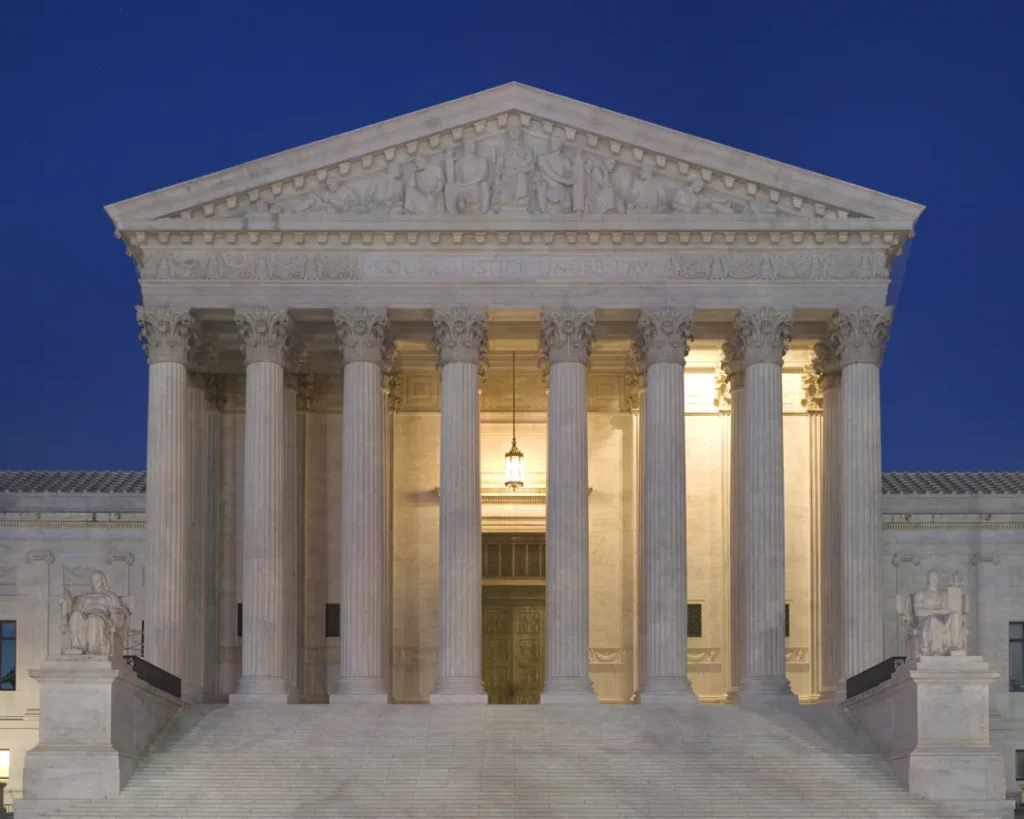
A restaurant, a filling station and a privately owned shop share an important legal characteristic. They invite the public onto private property. In Wolford v. Lopez, the Supreme Court held that Hawaii could not generally make licensed concealed carry at such places a crime unless the property owner first expressly authorized it.
Three Maui County permit holders and an organization challenged the rule. A federal district judge preliminarily blocked its enforcement as applied to property open to the public. The Ninth Circuit reversed that relief. The Supreme Court reversed the appeals court on June 25 and returned the litigation for further proceedings.
Justice Samuel Alito’s majority opinion applied the framework from New York State Rifle & Pistol Association v. Bruen. Licensed carriers’ proposed conduct fell within the Second Amendment’s text, requiring Hawaii to show a comparable historical tradition of regulation. Under the common-law principle the majority identified, an owner who opened a property to the public ordinarily extended an implied license to enter and could withdraw that invitation or impose conditions. Hawaii’s rule flipped the starting point for permit holders throughout much of everyday public life.
The majority considered the historical restrictions Hawaii offered and found they were too different in operation or purpose, insufficiently widespread, or from periods too late to supply the asserted tradition. It distinguished an owner’s decision to exclude firearms from a broadly applicable criminal rule that used the owner’s silence as the trigger. It expressly left private owners free to bar firearms on their property.
Justice Amy Coney Barrett wrote separately in concurrence. Justice Elena Kagan dissented separately, and Justice Ketanji Brown Jackson dissented in an opinion joined by Justice Sonia Sotomayor. The outcome concerns public-facing private property and does not itself decide the constitutionality of every other Hawaii carry restriction, including rules for particular sensitive places or for property that is closed to the public.