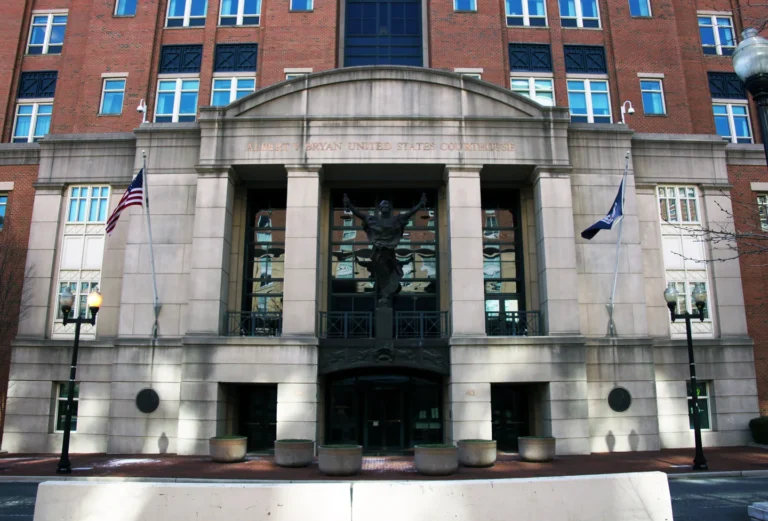
Fourth Circuit lowers proof threshold in residency case after Supreme Court remand
The judges distinguished a person lawfully admitted on a visitor visa who later seeks permanent residency from someone applying to enter the country.
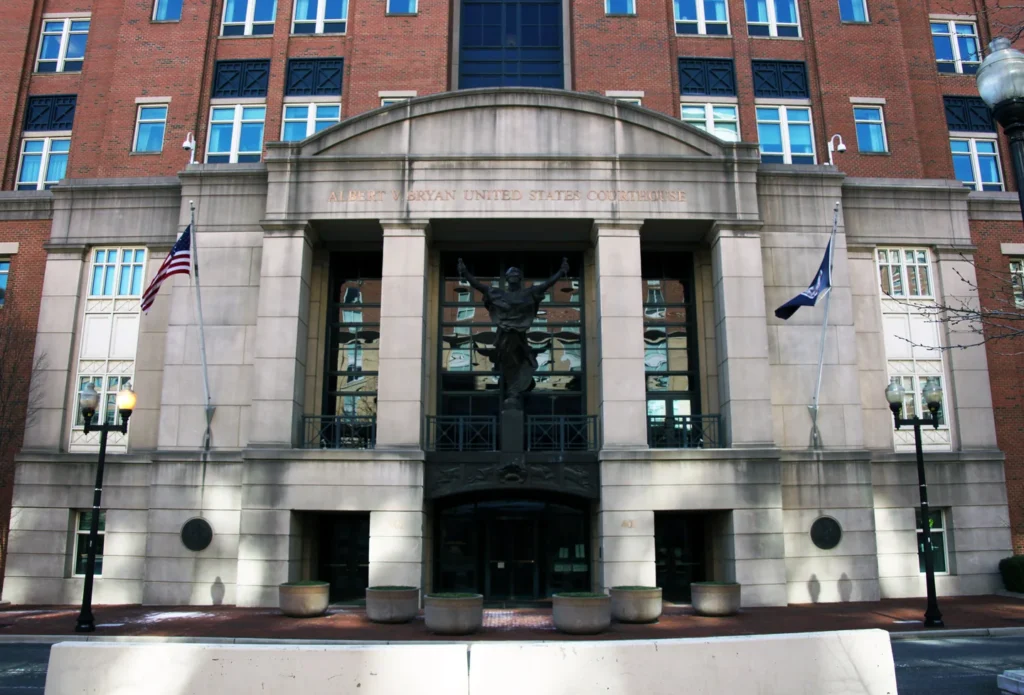
The Fourth Circuit ruled on November 2 that a previously admitted visitor who seeks to adjust her immigration status during removal proceedings must prove admissibility by a preponderance of the evidence. The published decision gives Sintia Dines Nivar Santana another opportunity to make her case before immigration authorities. It follows a Supreme Court remand that required the appeals court to reconsider its earlier approval of the government’s stricter standard.
Santana entered the United States on a visitor visa in 2000 and stayed after it expired. Her son later naturalized and sponsored her application for permanent residency. Immigration authorities denied the application after finding that a hiring form with a signature attributed to her indicated U.S. citizenship. She conceded removability for overstaying her visa and sought adjustment as relief. The dispute before the circuit on remand was whether she had to establish admissibility by showing it was more likely than not, or meet the substantially higher standard applying to applicants for admission.
Judge Stephanie Thacker read the Immigration and Nationality Act’s provisions together. Section 1225(a)(1) covers people present without having been admitted and people arriving in the country. Santana had already been admitted, and she was not at the border seeking entry. Section 1255(a) separately requires an adjustment applicant to be admissible. The court concluded that the qualification can apply without converting the person seeking adjustment into an applicant for admission. It therefore used the generally applicable evidentiary rule for forms of removal relief in 8 C.F.R. § 1240.8(d).
The Supreme Court had directed reconsideration in light of Loper Bright, under which judges must determine the best reading of a statute rather than defer to an agency’s reasonable interpretation under Chevron. The government also cited the circuit’s Dakura opinion. The panel explained that Dakura concerned the legal effect of falsely claiming citizenship on an employment form. A statement about the standard of proof was unnecessary to that earlier result and did not control the issue in Santana’s case.
The evidence about the hiring form was contested. Santana testified that she recognized parts she had completed but did not recall checking the citizenship box. A former employer representative said she did not know who checked it and described another possible explanation. The immigration judge treated the record as inconclusive and decided that the higher standard had not been met. The practical difference is that the same testimony and document can carry different weight once the legal test changes.
The appeal also illustrates the two stages of a removal case. Conceding removability resolved the basis on which the government had begun proceedings, but Santana could still apply for a form of relief at the second stage. The panel examined the statute governing that relief and the regulations addressing its burden of proof.
Judges Robert King and Toby Heytens joined Thacker, with no concurrence or dissent. The precedential opinion reaches the merits of the legal standard, grants the petition and returns the matter for further proceedings. The immigration judge and the Board of Immigration Appeals must apply the lower standard on remand. Whether Santana satisfies that standard, and whether she ultimately receives adjustment, remain open.