Fourth Circuit orders limits on LinkedIn records demand in leak investigation
A Newport News judge must reconsider how much journalist metadata investigators can collect and whether one lawyer for the unnamed news outlet can be told about the order.
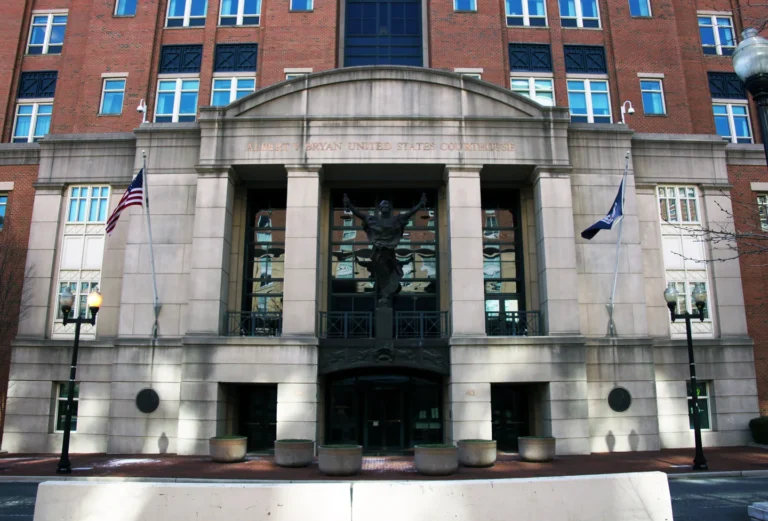
The Fourth Circuit sent a national-security leak investigation back to a federal judge in Newport News on November 10 after concluding that an order for journalists’ LinkedIn records swept too broadly. The unanimous panel held that investigators can seek material records, but that the government’s interest in identifying a source cannot justify the indiscriminate disclosure of people who communicated with the same journalists about unrelated stories.
The public opinion identifies LinkedIn as the recipient of the orders and leaves the news outlet unnamed. The government sought 18 months of metadata under the Stored Communications Act. The affected journalists published nearly 1,000 articles in that period, and fewer than five percent appeared connected to the subject of the investigation. Metadata can disclose who communicated with whom even when the actual text of the conversation is withheld. That distinction mattered here because the identities of unrelated confidential sources were themselves sensitive.
The district court adopted a magistrate judge’s recommendation and refused to modify the disclosure order or a separate one-year confidentiality order. On appeal, Judge J. Harvie Wilkinson III wrote that 18 U.S.C. § 2703(d) requires both relevance and materiality. He also concluded that a service provider can challenge an order as unduly burdensome on grounds that go beyond the cost or inconvenience of compiling records. An order that compels the disclosure of irrelevant information can impose an undue burden even if producing it would be straightforward. When a request reaches confidential newsgathering relationships, First Amendment interests inform that statutory analysis.
The separate secrecy order also requires another look. LinkedIn proposed telling one previously vetted attorney for the outlet, so that the lawyer could help identify ways to narrow the request. The panel told the district court to adopt that exception unless the government gives a more persuasive explanation of how the limited disclosure would jeopardize the investigation. It affirmed the district court’s decision to withhold the government’s confidential submissions from LinkedIn. The company therefore won a narrower review of two orders while the government kept those submissions private.
This was an appeal from orders directed to a technology platform, and the court first decided why LinkedIn could challenge them. The disclosure command itself imposed a concrete injury, the panel said. It also reasoned that a provider’s relationship with its users and the secrecy order’s barrier to the journalists defending themselves supported the company’s ability to raise their First Amendment interests. That means the scope of a government record demand can receive adversarial review even when the people whose communications are at issue are unable to appear themselves.
The judges distinguished this case from an unlimited privilege to shield sources. They drew on Branzburg v. Hayes and the circuit’s subsequent grand-jury cases, which recognize both a reporter’s obligation to provide relevant evidence and the need to scrutinize requests that reach sources only remotely connected to an investigation. The remand directs the Newport News court to apply this balance within the statute’s relevance and materiality requirements.
The merits decision is precedential. Judges James Wynn and Nicole Berner joined Wilkinson and wrote no separate opinions. The remand leaves the district court to balance investigative needs against the scope of the requested records, consider feasible ways to narrow production and decide the terms of any disclosure to the outlet’s lawyer. The Fourth Circuit declined to quash the orders outright. Its ruling preserves room for a targeted investigation while requiring the lower court to explain why each disputed intrusion is justified.