West Virginia insurance settlement does not trigger extra damages, Fourth Circuit rules
The panel found that a motorist settled her benefits claim and that the insurer responded reasonably to the proof it had when it made its initial offer.
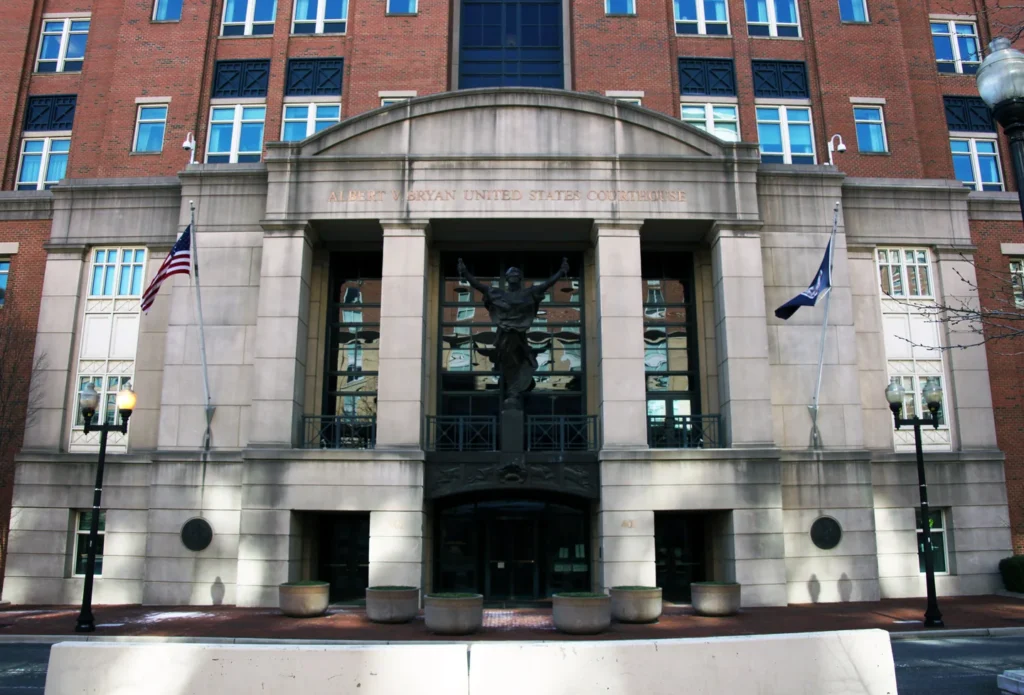
A West Virginia motorist will keep a $25,000 recovery under her automobile policy, but she cannot pursue additional insurance damages on this record. In a November 13 decision, the Fourth Circuit affirmed a district court’s judgment resolving Maura Kreitzer’s underinsured-motorist claim and rejecting related claims against Safeco. The panel treated the case as three disputes with separate legal requirements: what the parties settled, whether Safeco made a lawsuit necessary and whether its handling of the claim showed an unfair business practice.
Kreitzer sought the $25,000 policy limit after reaching a settlement with the other driver’s insurer. Safeco initially offered $4,000 and explained its assessment of her medical records. When later expert reports indicated greater injuries and costs, the insurer tendered the full limit. The parties filed a joint motion stating that they had resolved the claim for policy proceeds and that claims for damages beyond the contract and bad faith remained. The appellate panel held that the demand, tender and joint representation together established a settlement as a matter of law. The fact that the joint statement was evidence of agreement did not require the court to invoke judicial estoppel.
Kreitzer later sought to reform the policy to obtain additional coverage. Judge A. Marvin Quattlebaum Jr. wrote that reformation would change the terms of the policy itself, so it belonged to the settled claim for policy proceeds. The wording that preserved claims for extracontractual losses could not reasonably be read to reserve the right to obtain more under the policy.
The court also applied West Virginia’s Hayseeds line of decisions. The relevant question was whether the insurer’s handling made counsel necessary to obtain the proceeds, evaluated over the course of negotiations. The panel credited Safeco’s initial investigation and explanation, its invitation to keep negotiating and its response once the evidence substantially changed. It concluded that later reports did not make the original assessment unreasonable in hindsight. Under W. Va. Code § 33-11-4(9), it also found no evidence of an unfair claim-settlement practice, much less the pattern required to show a general business practice.
The policy reformation theory illustrates why the language of the joint filing mattered. The liability limit was $100,000, while the underinsured-motorist limit was $25,000. West Virginia law requires an insurer to offer underinsured coverage up to the liability limit and can reform the contract if the offer or rejection falls short. Kreitzer argued she had not effectively rejected the higher limit. The court found that the settlement resolved recovery under the policy regardless of whether a higher limit could have been pursued earlier.
The dispute also shows why the record of negotiation can be as important as the final dollar figure. After the initial $4,000 offer, Safeco invited a counteroffer and Kreitzer instead filed suit. Safeco tendered the policy limit shortly after receiving an expert report that materially changed its view of the claim. The panel assessed each decision against the information then available.
Judges Allison Jones Rushing and DeAndrea Gist Benjamin joined Quattlebaum without a separate opinion. The precedential decision reached the merits of the three issues Kreitzer raised and affirmed without a remand. A practical point for future coverage disputes is that an insurer’s eventual decision to pay more can establish the amount recovered without answering why the policyholder had to resort to litigation.