A vanished dock concession did not end a cruise-line dispute over Havana’s port
The Supreme Court said the relevant confiscated property can be the physical dock, even where the plaintiff held a time-limited concession.
A nearly century-old concession for Cuban property reached the Supreme Court through the itineraries of four modern cruise companies. Havana Docks Corporation obtained a concession in 1928 to develop and operate docks at the Port of Havana. The Cuban government seized the docks after Fidel Castro took power. The concession would otherwise have expired in 2004.
Between 2016 and 2019, Royal Caribbean, Norwegian, Carnival and MSC used the docks to transport passengers. Havana Docks sued under Title III of the Helms-Burton Act, which provides a cause of action for certain claimholders against those who knowingly and intentionally traffic in confiscated property. A district court entered judgments against the companies. The Eleventh Circuit reversed because the relevant concession, viewed as the confiscated property, would have ended before the voyages.
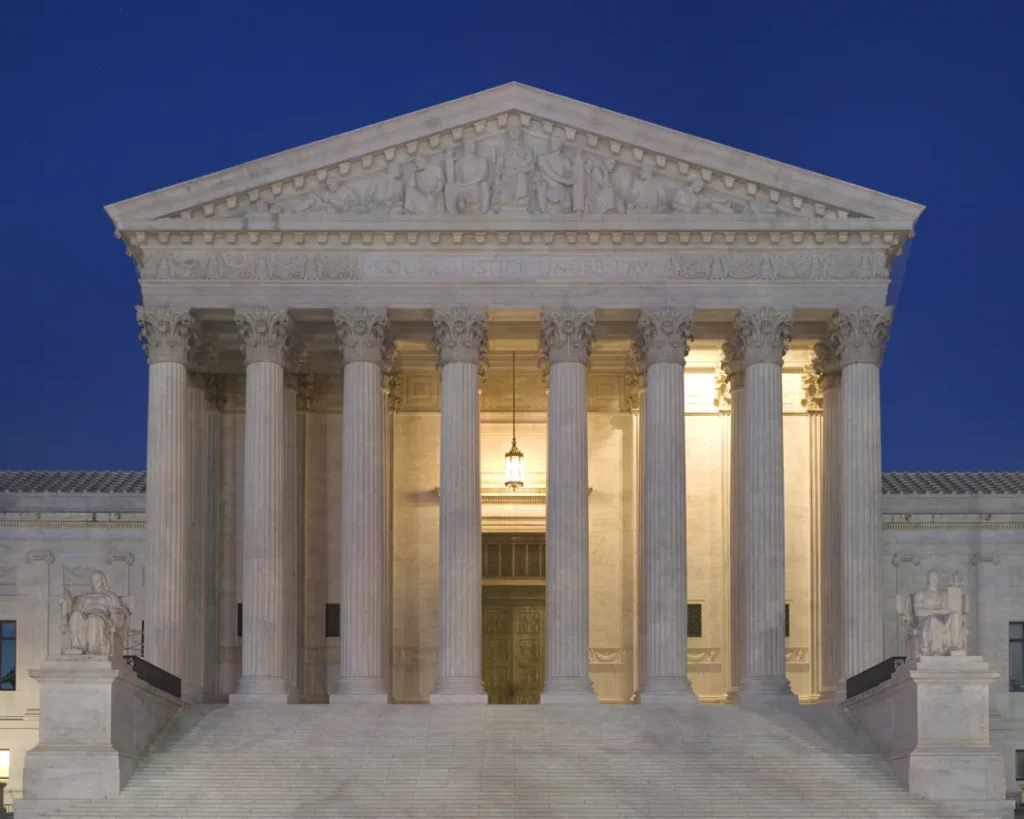
The Supreme Court concluded that the law reaches both a legal interest and the physical property in which a claimant held an interest. Justice Clarence Thomas’s opinion therefore treated the docks themselves as confiscated property relevant to the cruise companies’ use. The plaintiff was not required to establish that the companies used its precise legal concession.
That holding answers a statutory question distinct from the foreign sovereign immunity question in Exxon v. Cimex. Havana Docks concerns which property can support a claim against its later users. The proceedings below can still address unresolved issues. The Supreme Court vacated the Eleventh Circuit’s judgment and remanded without simply reinstating the district court’s awards.
Justice Sonia Sotomayor, joined by Justice Brett Kavanaugh, concurred, and Justice Elena Kagan dissented. The case is a reminder that the object itself, the owner’s legal entitlement to use it, and a later user’s statutory liability are three separate parts of the same story.