Colorado’s talk-therapy restriction must face a stricter First Amendment test
The Supreme Court held that Colorado’s law regulated viewpoint as applied to the licensed counselor’s proposed speech.
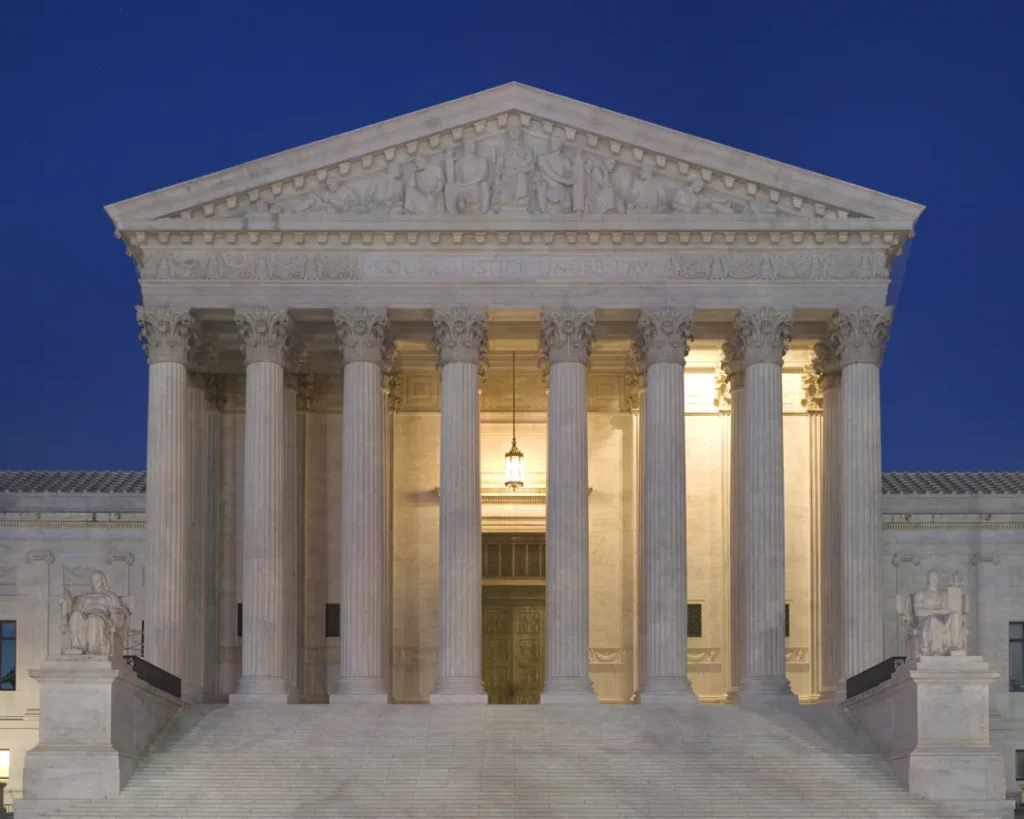
The Supreme Court held that a licensed Colorado counselor’s challenge to the state’s conversion-therapy law requires a more demanding First Amendment review. The case reached the justices at the preliminary-relief stage. The March 31 ruling sent it back without a final decision on whether the challenged application survives the correct test.
Colorado’s 2019 law limits licensed professionals from engaging in defined practices with minors aimed at changing sexual orientation or gender identity. It allows certain acceptance, support and identity-exploration counseling. Kaley Chiles said that she uses talk therapy and works with young people toward goals discussed with them. She challenged the law before enforcement as it would apply to those conversations.
The district court and Tenth Circuit regarded this application as regulation of professional conduct subject to rational-basis review. Justice Neil Gorsuch’s majority opinion treated spoken words as the regulated activity in Chiles’s case. In the majority’s view, allowing certain conversations while restricting counseling in another direction on the same subject made the restriction viewpoint-based.
Justice Elena Kagan, joined by Justice Sonia Sotomayor, concurred. Justice Ketanji Brown Jackson dissented. The dissent stressed that the state regulates an act of treatment by licensed professionals and would have treated that fact as important to the threshold constitutional analysis. The writings show a division about how to identify the regulated activity when words are the means of delivering a professional service.
On remand, lower courts can consider the state’s interests and whether the law, as applied here, meets the Court’s required scrutiny. The ruling did not make factual findings about clinical efficacy. It concerned the application of Colorado’s law to the counselor’s proposed speech, leaving room to distinguish other laws, professional conduct and different factual records.