Qualified immunity shields a Vermont officer sued over a protester’s wristlock
The Court held prior precedent did not clearly establish a Fourth Amendment violation in the circumstances before it.
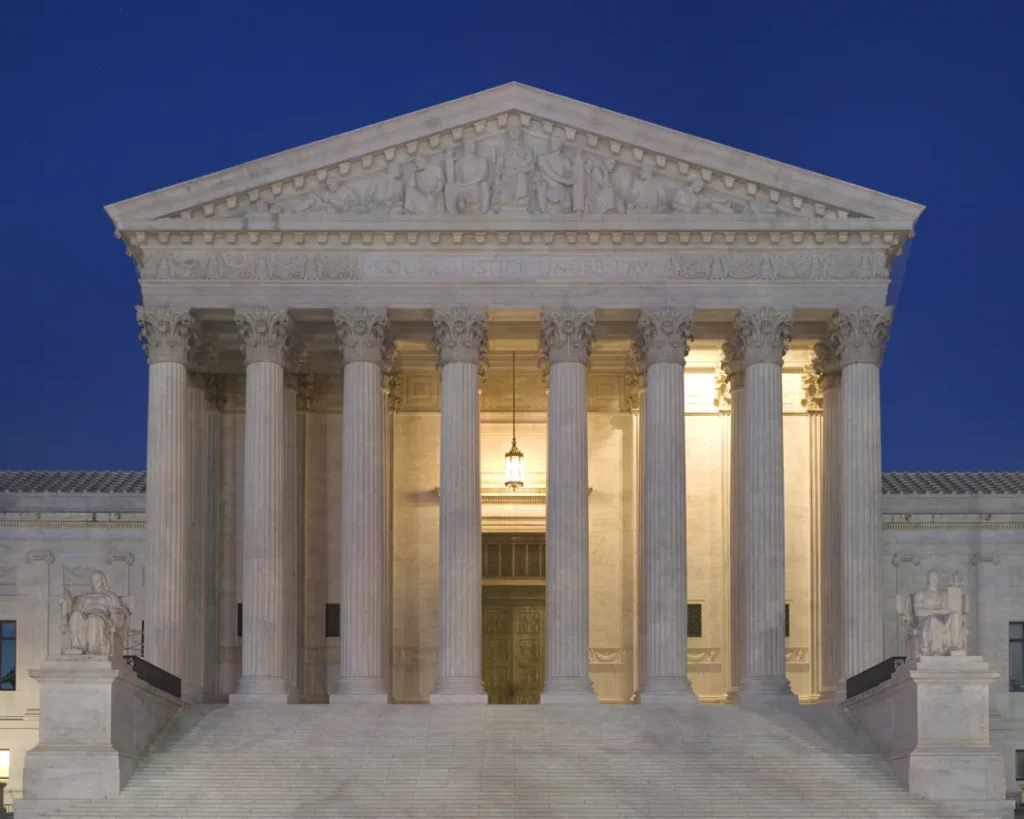
A Supreme Court decision in March ended one civil claim stemming from the removal of a protester from the Vermont State House. Shela Linton alleged a police officer used excessive force by applying a rear wristlock during a sit-in. The Court held the officer entitled to qualified immunity, reversing a ruling that would have allowed her claim against him to reach a jury.
Linton had joined a protest advocating universal health care. After the building closed, officers warned protesters who remained that they would be arrested for trespass. The majority’s account described a group sitting with interlinked arms and Sergeant Jacob Zorn separating Linton’s arm, giving warnings and applying wrist pressure to move her. Linton alleged that the encounter caused physical and psychological injuries.
The district court granted Zorn summary judgment. The Second Circuit relied on its earlier Amnesty America decision to find that a reasonable officer would have known that gratuitous use of a wristlock on a passively resisting protester could violate the Fourth Amendment. In a per curiam opinion, the Supreme Court found that the circumstances in the prior case did not clearly resolve the legality of the force it considered here.
Justice Sonia Sotomayor dissented, disputing the majority’s treatment of the record. The Court’s immunity analysis turned on prior law and the facts as the majority understood them, including warnings and attempts to gain cooperation. It did not issue a general rule approving wristlocks against demonstrators. The proper use of force and the availability of damages against an individual officer are legally distinct inquiries.
The result highlights why reporting a qualified immunity decision requires attention to its reasoning. A decision about whether the law provided sufficiently clear notice at the time does not necessarily establish whether the challenged conduct would be constitutional in a future case.