NJ Transit cannot use New Jersey’s sovereign immunity to stop two out-of-state suits
The Court treated NJ Transit as a separate legal corporation for interstate sovereign-immunity purposes in two bus-negligence suits.
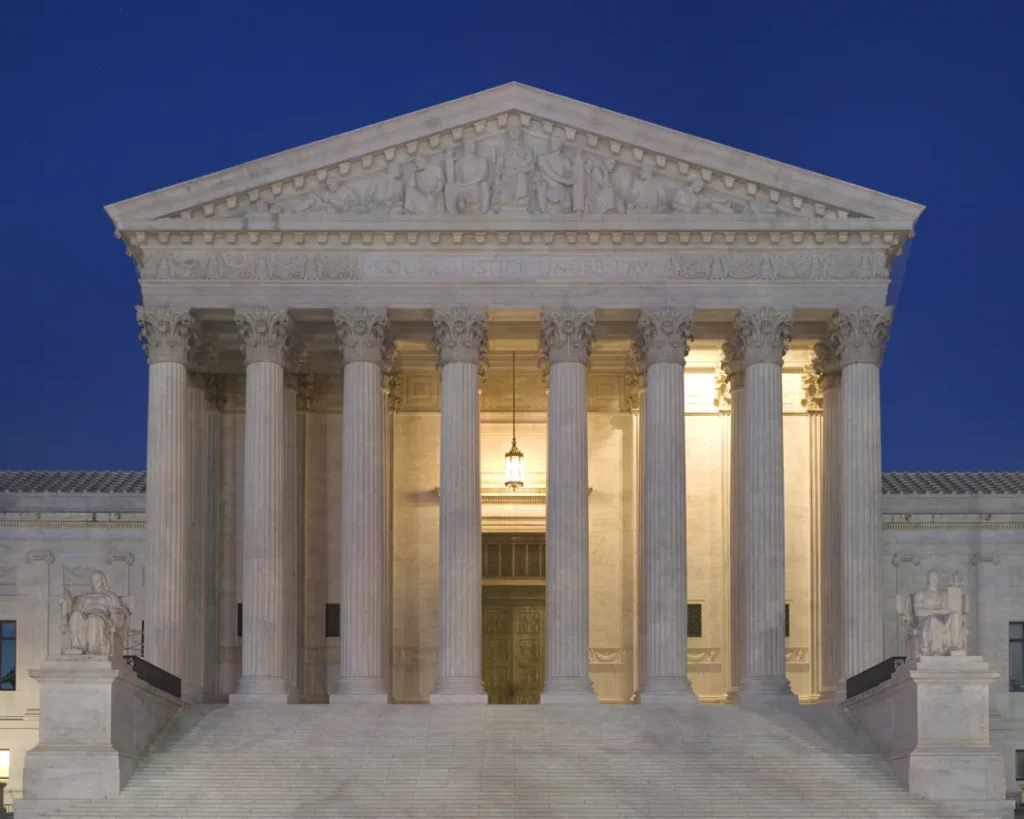
Two bus incidents raised a question of federal law in two state courthouses. Jeffrey Colt sued after being struck by an NJ Transit bus in Manhattan. Cedric Galette alleged he was injured after an NJ Transit bus collided with a car in which he rode in Philadelphia. New York’s highest court allowed the suit there to proceed on immunity grounds, and Pennsylvania’s highest court ruled the other way.
The Supreme Court took both cases together and ruled that NJ Transit is not an arm of New Jersey entitled to share the state’s interstate sovereign immunity. It reversed the Pennsylvania judgment and affirmed the New York judgment. The decision left the merits of the negligence cases for the courts handling them.
Justice Sonia Sotomayor examined the provisions by which New Jersey established the transit corporation. It could sue and be sued, sign contracts, obtain property and incur liabilities for its own account. New Jersey’s charter expressly separated the corporation’s debts and liabilities from the state’s. Those features indicated a legally distinct entity even though the governor could remove directors and veto board action.
The distinction matters for agencies that operate across state lines. Government creation and regulation are common features of public corporations. The statutory structure tells a court whether a judgment is legally against the separate organization or the state itself. The opinion gave less weight to an expectation that the state might cover a judgment voluntarily than to a law making the state formally liable.
The Court also recognized a separate possibility. Even where the named defendant is legally distinct, the facts of a suit or the remedy sought may make the state the real party in interest. NJ Transit did not present that argument in these two cases. For litigants considering the ruling’s effect on other public authorities, the entity’s charter, the allocation of liability and the requested relief remain important.