A street preacher can challenge the rule that led to his prior conviction
The Court distinguished a request to stop future enforcement from a civil attack on an existing conviction.
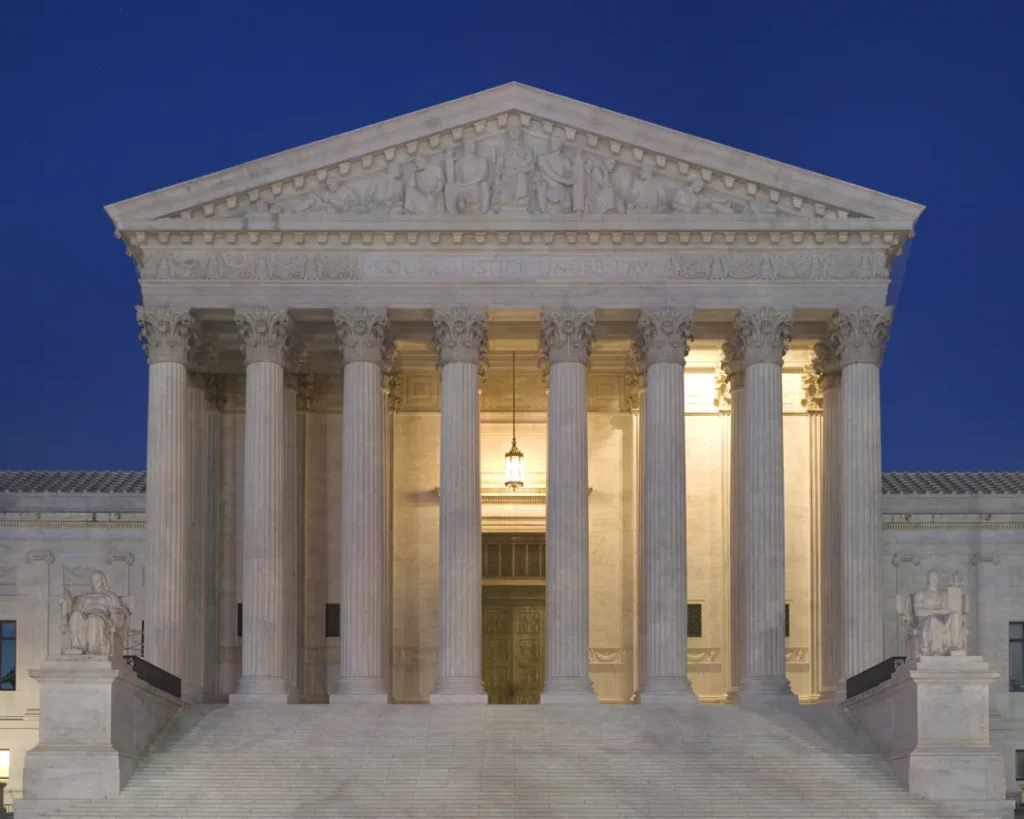
Gabriel Olivier wanted to return to the sidewalks near Brandon’s amphitheater, where Mississippi residents gathered for events. The city had punished him for violating an ordinance limiting when and where protesters could demonstrate. The Supreme Court held unanimously that his municipal conviction did not bar a civil suit seeking to stop enforcement in the future.
Brandon had directed protests and demonstrations to a designated area around scheduled events. Police arrested Olivier in 2021, and he pleaded no contest. He paid a fine, served no prison time and did not appeal. His federal complaint under 42 U.S.C. § 1983 asked for a declaration about the ordinance and an injunction governing its future application. It requested no damages for the initial arrest or conviction.
Lower courts treated Heck v. Humphrey as foreclosing the suit because a ruling questioning the ordinance might cast doubt on Olivier’s conviction. Justice Elena Kagan explained that Heck governs civil claims asking for relief whose award would invalidate a past conviction or sentence. An injunction prohibiting enforcement going forward can leave a past judgment intact.
The opinion also considered Wooley v. Maynard, which permitted a challenge to future enforcement after previous prosecutions under the same law. In both cases the challengers faced a repeated threat because they still intended to engage in the regulated conduct. A court can examine that threat separately from any prior penalty.
The March 20 decision did not resolve whether Brandon’s ordinance violates the First Amendment. It returned the case to the lower courts to consider that and other requirements for relief. The threshold holding matters well beyond a city amphitheater. Its focus is on the actual remedy requested and its legal effect on any past judgment.