A prison religious-rights law did not make Louisiana officers personally liable
The Court tied personal-capacity liability under a spending statute to knowing and voluntary agreement by the person sued.
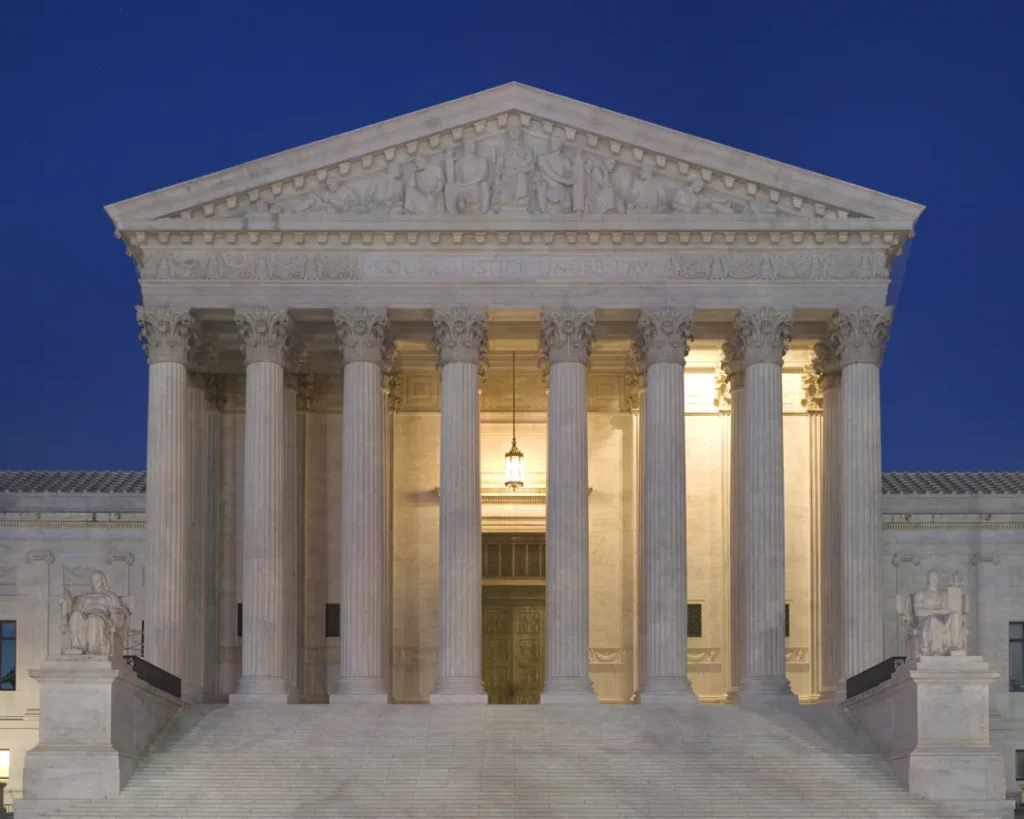
Damon Landor, a Rastafarian prisoner, alleged that Louisiana corrections officers forcibly shaved his head despite knowing that keeping his hair uncut was part of his religious practice. The Supreme Court took up a narrower question than what had happened to him. It examined whether the statute that protects religious exercise in covered prisons permits damages against those officers personally.
Through the Religious Land Use and Institutionalized Persons Act, Congress made certain protections for religious practice conditions of accepting federal funds. Landor sought damages from the corrections system and its employees. After a district court dismissed the claims, his appeal pursued only the claims against the individual officers. The Fifth Circuit did not revive them.
Justice Neil Gorsuch’s June 23 majority opinion treated the federally funded institution and its individual employees separately. The source of congressional authority mattered. In the Court’s view, personal liability under this spending-based scheme required each defendant’s voluntary and knowing agreement to answer suit. The state’s acceptance of federal money did not demonstrate that its employees agreed to bear damages personally. The Court therefore affirmed the judgment.
Justice Ketanji Brown Jackson dissented, joined by Justices Sonia Sotomayor and Elena Kagan. The dissent read Congress’s authority to attach conditions and provide remedies for violation differently. The disagreement concerns how Congress can enforce an agreement protecting institutionalized people when the harm alleged is already complete.
The Court did not decide whether the officers acted as alleged or whether a different cause of action would reach the same events. A damages claim against an individual also differs from a request for a change in institutional practice. Landor’s case illustrates how the source of a substantive right and the type of remedy requested can determine whom a prisoner may sue.