Forgetting to list a lawsuit in bankruptcy does not automatically end the lawsuit
A unanimous Supreme Court required a full factual inquiry before treating an omitted claim as deliberate for judicial estoppel.
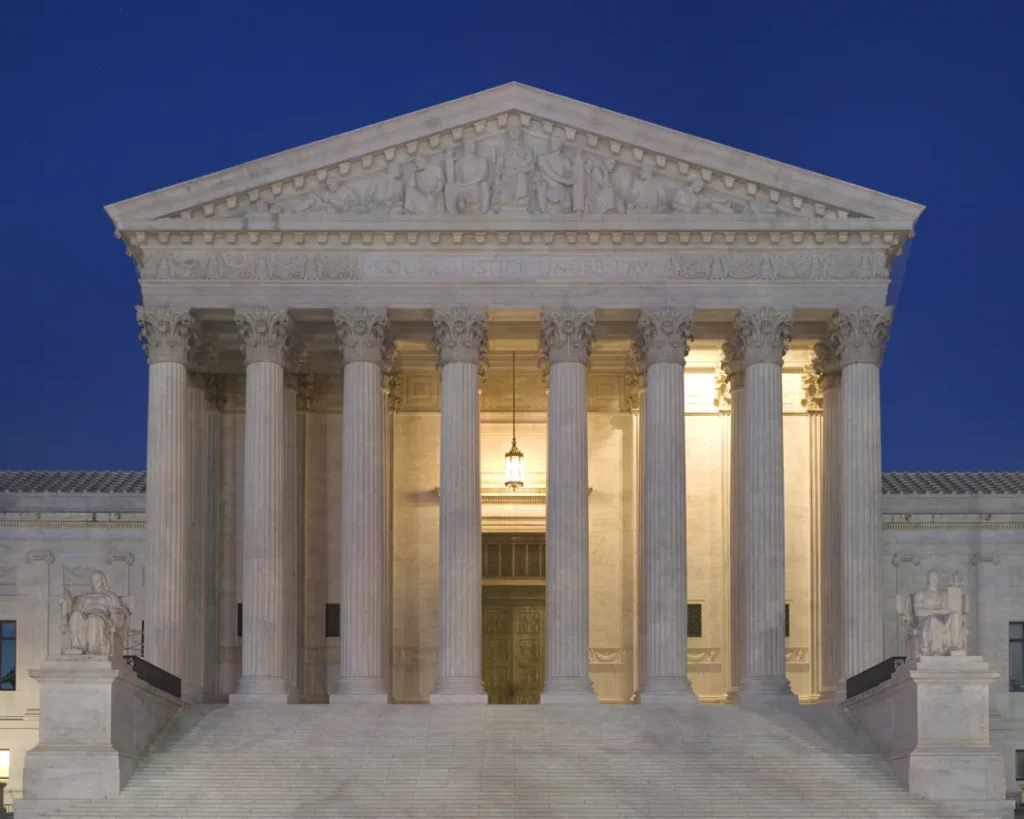
A car accident in Mississippi produced a lesson in what happens when two federal cases are moving at once. Thomas Keathley was still in Chapter 13 bankruptcy when the accident occurred. He pursued a personal-injury suit without promptly listing it in his bankruptcy papers. The Supreme Court ruled that lower courts used too rigid a test when deciding that the omission barred his personal-injury claim.
Keathley’s bankruptcy repayment plan called for full payment of creditors’ claims over five years, without interest. After the accident he retained a personal-injury lawyer and informed his bankruptcy counsel of his intent to sue, according to the opinion. The potential claim was not added to his schedules until the construction company raised judicial estoppel, a doctrine intended to protect courts from strategic changes of position.
The district court treated Keathley’s knowledge of the facts and a possible motive for concealing the claim as sufficient to reject his explanation of inadvertence. The Fifth Circuit affirmed. Justice Ketanji Brown Jackson’s unanimous opinion vacated that judgment. Courts assessing inadvertence or mistake for this purpose should look at all relevant circumstances, rather than treating knowledge and a hypothetical motive as dispositive.
The Court assumed without finally deciding that judicial estoppel can apply in bankruptcy cases of this kind and that inadvertence can operate as an exception. It did not excuse the requirement to keep bankruptcy disclosures accurate. Nor did the decision establish that Keathley forgot innocently or that his former opponent caused the accident.
The separate bankruptcy schedule, litigation timeline and evidence offered to explain an omission determine what the lower court can consider on remand. Here the Supreme Court restored that factual inquiry without resolving it. Justice Clarence Thomas and Justice Sonia Sotomayor wrote concurrences.