Supreme Court affirms dismissal of a firearm charge based on admitted marijuana use
The justices agreed that the federal unlawful-user firearm provision could not be enforced on the facts presented in Ali Hemani’s case.
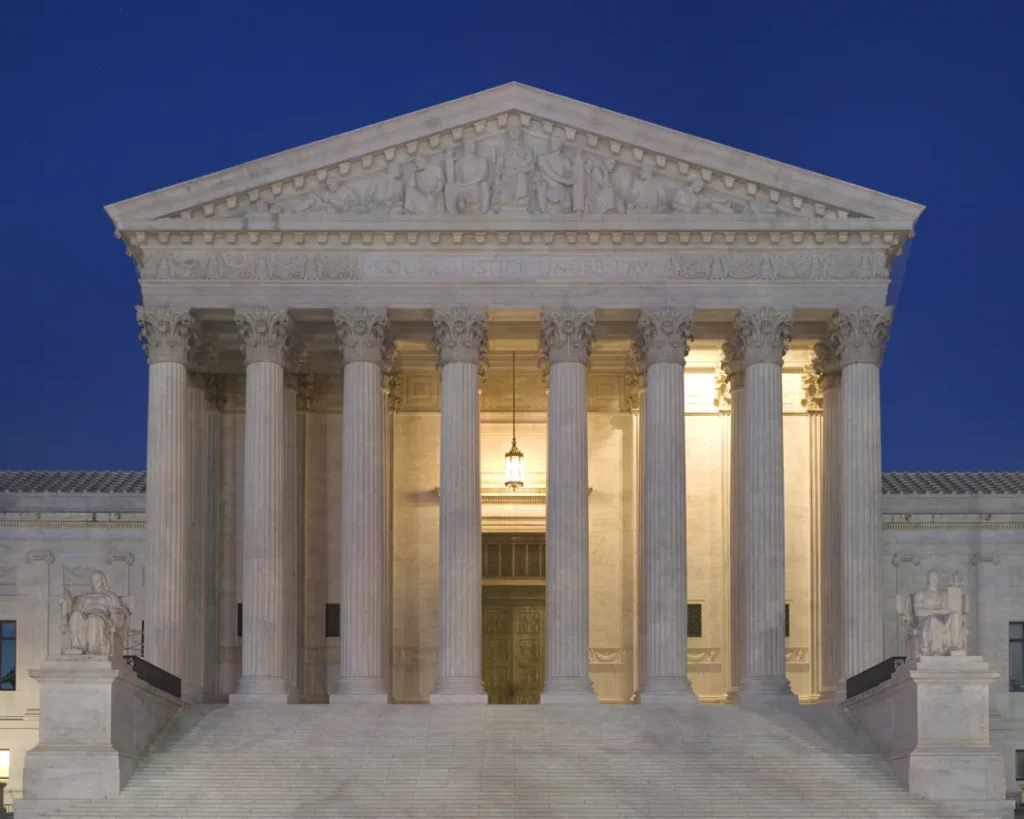
Federal prosecutors charged Ali Hemani with possessing a firearm at home while being an unlawful user of a controlled substance. The Supreme Court affirmed dismissal of that charge on June 18. The case tested whether the government could rely on his admission of regular marijuana use, without the evidence of individual danger contemplated by the Court’s analysis, to support his prosecution under 18 U.S.C. § 922(g)(3).
During a 2022 search of his family home, Hemani cooperated with federal agents, surrendered a firearm he kept there and told agents that he used marijuana about every other day. A district court dismissed the indictment on an as-applied Second Amendment challenge. The Fifth Circuit left the dismissal standing, and the United States took the case to the Supreme Court.
Justice Neil Gorsuch’s opinion applied the constitutional test from Bruen and United States v. Rahimi. The government agreed that the possession at issue was presumptively protected and pointed to historical laws governing people described as habitual drunkards. Those older measures included confinement, guardianship or bond requirements governed by varying procedural safeguards. The majority found insufficient similarity between those measures and the theory that any unlawful user of a controlled substance could automatically be barred from having a firearm based on that status alone.
The decision is specific to the prosecution presented. The opinion left open distinct questions involving present intoxication, addiction and proof that a person’s drug use makes them dangerous. It did not decide the lawfulness of other federal firearm disabilities. Justice Clarence Thomas and Justice Ketanji Brown Jackson wrote concurrences. Justice Samuel Alito, joined by Justice Elena Kagan, agreed with the judgment on separate reasoning.
The case illustrates why the factual grounds for an indictment can matter as much as the statutory citation. A challenge to enforcement against one defendant removes that prosecution without providing an answer for cases based on considerably different evidence.