A local bread route can count as interstate transportation under the federal arbitration law
The unanimous Court rejected a rule that would limit the transportation-worker exemption to people who cross state lines or handle vehicles that do.
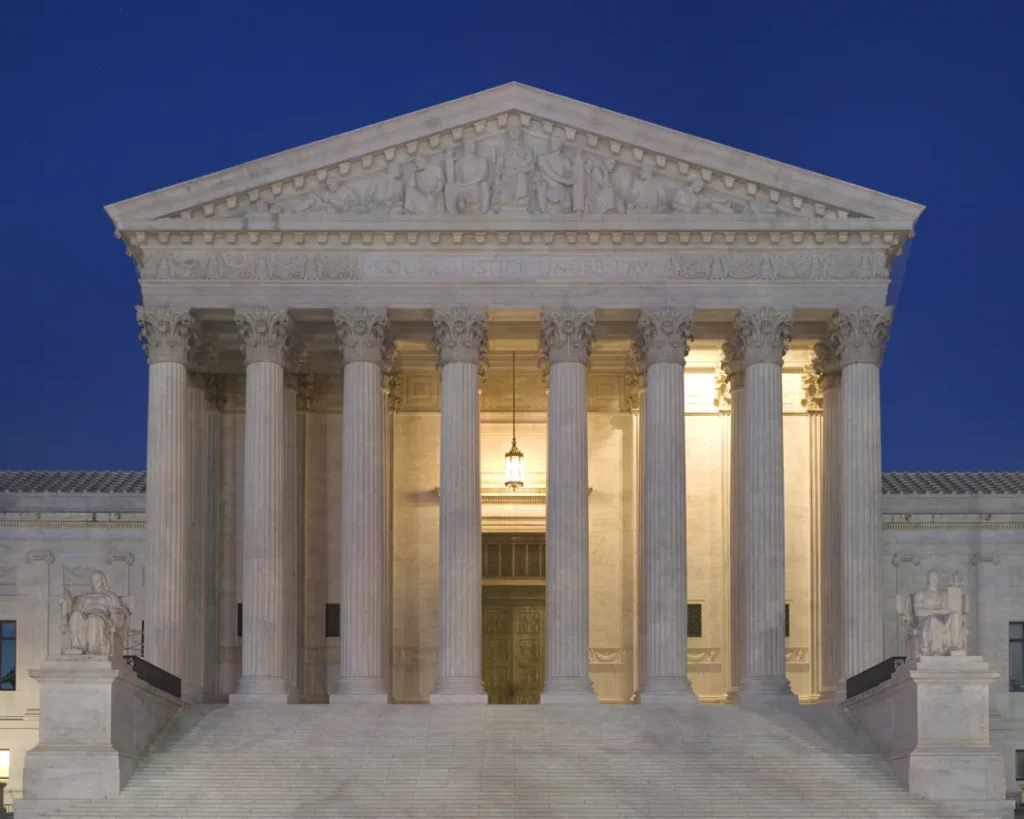
Angelo Brock’s bread route stayed inside Colorado. The goods he moved did not necessarily begin their journey there. On May 28, the Supreme Court held that a worker carrying goods on a local leg of an interstate journey can qualify for the Federal Arbitration Act’s transportation-worker exemption even when neither the worker nor a vehicle he handles crosses a state line.
Brock bought distribution rights in the Denver area, picked up Flowers Foods products at a warehouse and delivered them to local stores. He sued in federal court over alleged underpayment. Flowers invoked an arbitration clause in the distribution agreement. The district court denied its motion to compel arbitration under the federal statute, and the Tenth Circuit affirmed.
Writing for a unanimous Court, Justice Neil Gorsuch examined Section 1’s language exempting certain contracts of employment of workers engaged in interstate commerce. The opinion looked to historical decisions involving goods that continued across multiple legs. One involved a Michigan steamer operating locally while transporting goods brought from or destined for other states. A participant can take part in moving goods between states while completing one portion wholly inside a state.
The line the Court rejected was categorical. It did not hold that anyone handling a product that once crossed a state line automatically qualifies for the exemption. The worker must be engaged in a relevant class of transportation work, and a continuing journey is a different circumstance from a later, distinct local movement. The opinion also left unaddressed Flowers’s passing observations about Brock’s corporate arrangement and acquisition of title to the products because those issues were not presented for decision.
The ruling concerns the application of the federal arbitration statute. It does not determine whether Flowers violated wage laws or invalidate every agreement signed by a local distributor. It means that litigants and lower courts cannot resolve this federal exemption solely by looking at the worker’s driving map.