A demand for donors’ identities can create an immediate injury, Supreme Court says
A New Jersey nonprofit established standing to challenge an investigative subpoena before a state court ordered compliance.
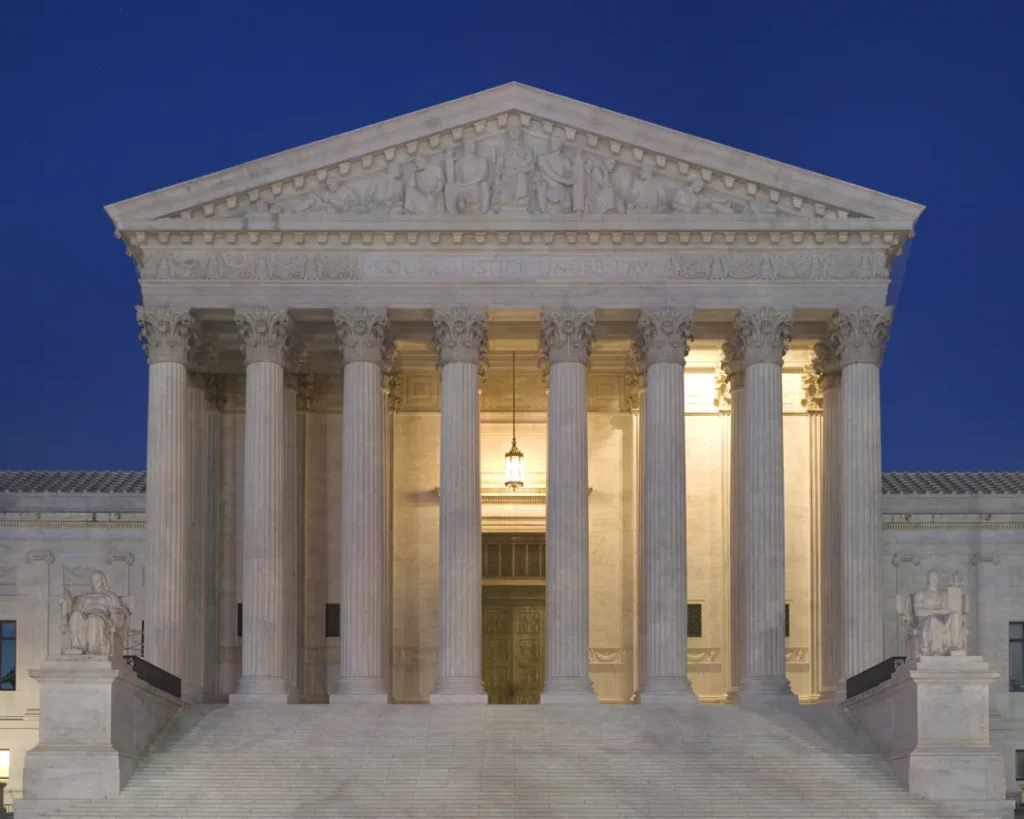
A New Jersey nonprofit did not have to wait for a state court to order disclosure of donor information before challenging an investigative subpoena. The Supreme Court held unanimously that the attorney general’s existing demand created a present injury to First Choice Women’s Resource Centers’ associational rights sufficient for standing in federal court.
The subpoena was part of a consumer-protection inquiry concerning pregnancy resource organizations. It requested 28 categories of documents, including identifying information about donors who did not contribute through one specified web page. First Choice alleged that the demand, backed by potential penalties, prevented it from promising anonymity and discouraged some donors from associating with it.
The federal district court dismissed the challenge and a divided Third Circuit panel affirmed. Without a state-court order compelling the organization to turn anything over, the lower courts saw no present Article III injury. Justice Neil Gorsuch’s opinion for the Supreme Court drew a different conclusion. The asserted injury was the deterrent effect of an active legal demand, which could exist before an enforcement order.
The reasoning draws on the protections for anonymous association. Standing is a threshold question about injury, causal connection and redress. It leaves the government’s defense of the demand and the plaintiff’s ultimate entitlement to relief for later proceedings.
The April 29 ruling returned the suit to the lower courts. It did not decide whether New Jersey had valid grounds for the subpoena or settle any allegations that prompted the inquiry. On remand the scope and justification of the donor demand can be considered separately from whether the organization could ask a federal court to hear its challenge.