School trustee lacked authority needed for federal whistleblower claim
A school board member recruited families and solicited donations but lacked evidence that the school authorized him to act as its agent.
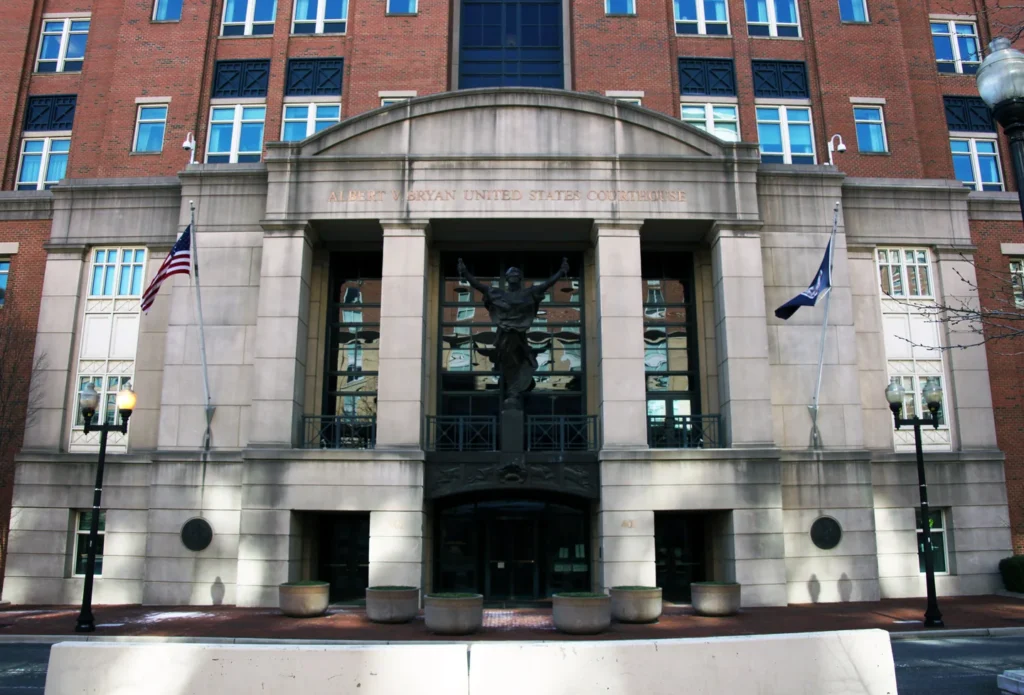
The Fourth Circuit held on October 19 that a Charleston Day School trustee could not pursue a federal False Claims Act retaliation claim because the evidence did not show he was the school’s agent. Marshall Austin alleged that he was removed from the board after raising concerns about its use of pandemic-era federal aid. The published opinion resolved whether the statute protected him in the role he held.
The school had received federal assistance through two pandemic programs, including a Paycheck Protection Program loan that was later forgiven. Austin reviewed financial records and raised questions about use of the funds. After he lost access to the board portal, his inquiries continued. The board voted to remove him in February 2022 and gave reasons including its view that his conduct disrupted school operations. Austin sued under 31 U.S.C. § 3730(h), contending that the school retaliated for activity protected by the statute.
That provision protects employees, contractors and agents in specified circumstances. Austin did not claim to be an employee or contractor. He argued that fundraising and recruiting assignments made him an agent with apparent authority. Judge J. Harvie Wilkinson III explained that apparent authority requires conduct by the organization that reasonably leads an outsider to believe someone can act for it. The evidence showed Austin performing outreach, but did not show he could sign contracts or make commitments that bound the school. His committees made recommendations, and his individual vote could not bind the board.
The relationship could be different if a board delegates authority to a particular trustee or communicates that authority to outsiders. The panel found neither on this record. It affirmed on that point, without taking a position on whether the school misused money or whether it removed Austin because of his complaints. The individual defendants were no longer at issue on appeal.
The district court supplied two reasons for ruling against Austin on the claim against the school. Besides the agency question, it found that the evidence did not permit an inference of the school’s knowledge of, or retaliation because of, protected activity. The appellate panel affirmed on the first ground. Readers looking for a judicial conclusion about whether the school knew of the complaints or took action in response to them will find no appellate ruling on those points.
The case separates the scope of a False Claims Act retaliation suit from who may bring an action to recover for alleged fraud against the government. The statute allows a broader group of people to bring the latter kind of case. The retaliation remedy is expressly tied to the claimant’s relationship with the employer or principal.
Judges Robert King and Allison Jones Rushing joined Wilkinson. The precedential ruling reaches the statutory coverage issue and orders no remand. The decision gives boards and trustees a concrete test for a future dispute: the power to make legally consequential commitments matters more to the agency question than a general expectation that board members will represent the institution well in public.