Wells Fargo disability appeal preserves retaliation verdict and narrows damages
The panel sustained the finding that Wells Fargo retaliated over a remote-work request while reversing the separate accommodation and disability-discharge verdicts.
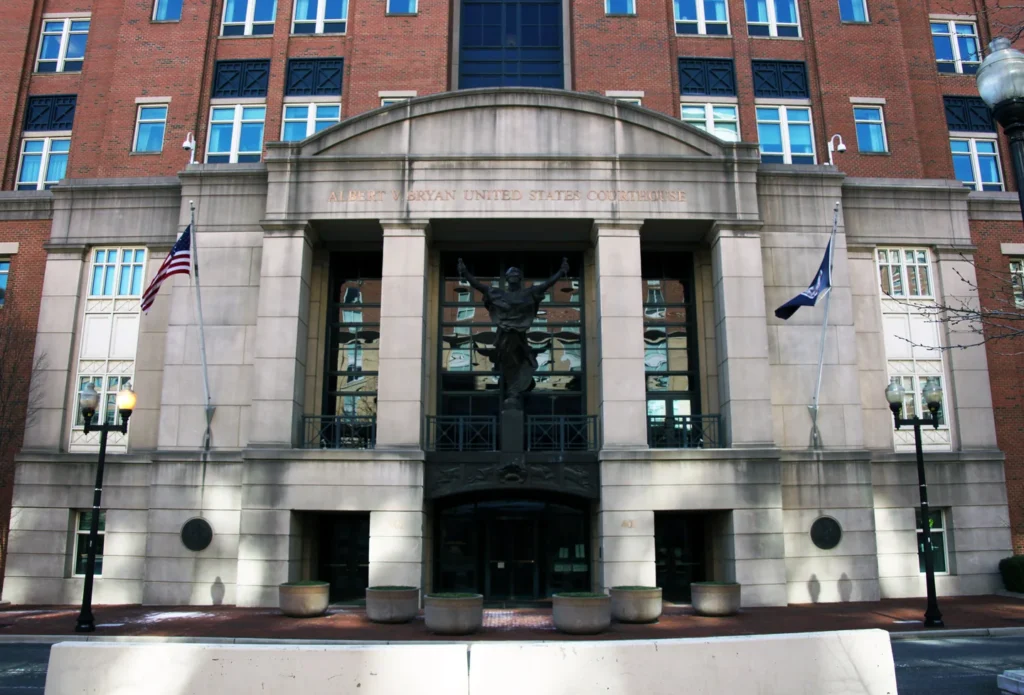
The Fourth Circuit upheld a North Carolina jury’s finding that Wells Fargo Securities retaliated against Christopher Billesdon for requesting a disability accommodation. The August 21 ruling reversed three other liability verdicts, affirmed a $14 million front-pay award and required further proceedings on back pay and interest. The decision distinguishes a request for accommodation from disability status itself when testing what caused a firing.
Billesdon, a longtime employee, sought a formal remote-work accommodation. By the time his request was administratively closed, the company had delayed its general return to the office and was allowing staff to work from home. It told him he could submit a new request when a return date was announced, and that he could continue working remotely during review. The company announced a return date and dismissed him before it arrived. A jury found for him on four claims, including failure to accommodate, retaliation and disability discrimination under federal and state law.
Judge Julius Richardson concluded that the jury could find the accommodation request itself was a but-for reason for the dismissal. Evidence about managers’ responses to the request and the sequence of decisions supported that inference. The majority found insufficient evidence that disability status was the reason for dismissal under the separate discharge theories, or that the employer had refused a reasonable accommodation while Billesdon remained employed and was working from home. It also distinguished a statutory claim that an employer acted to avoid providing an accommodation, which had not been submitted to the jury.
The majority upheld the front-pay award but found that the evidence did not support the jury’s $6 million award for past lost earnings. It required a new damages trial on back pay unless Billesdon accepts a reduction to $4,225,558. The panel also vacated awards that did not survive the narrowed liability findings and returned the interest calculation to the district court for application of federal standards.
The court reached the case after a jury trial, a posture that gives judges a different role from the one they have on a motion to dismiss. The panel identified the evidence a reasonable jury could rely on and declined to reweigh credibility. It nevertheless reviewed whether the record contained enough evidence to prove every essential element of each theory, which explains why the retaliation verdict survived while closely related verdicts did not.
Back pay and front pay cover different periods. The first measures earnings already lost by the time of judgment, and the second can address expected future losses. The court found a sufficient trial record for front pay. It also noted that Wells Fargo agreed to allow the jury to decide that remedy and could not later seek appellate review as though the district judge had made a discretionary equitable award.
Judge J. Harvie Wilkinson III joined the opinion. Judge Nicole Berner agreed with the disposition of the accommodation claim, among other points, but would have sustained the disability-discrimination verdicts and the jury’s back-pay calculation. The decision is published and precedential. It resolves what evidence could support the trial verdicts and sends the remaining judgment and damages issues back to the district court.