Fourth Circuit explains when past abuse supports protection from removal
Past abuse can be important evidence, the court held, but protection under the Convention Against Torture also requires a showing of likely future torture.
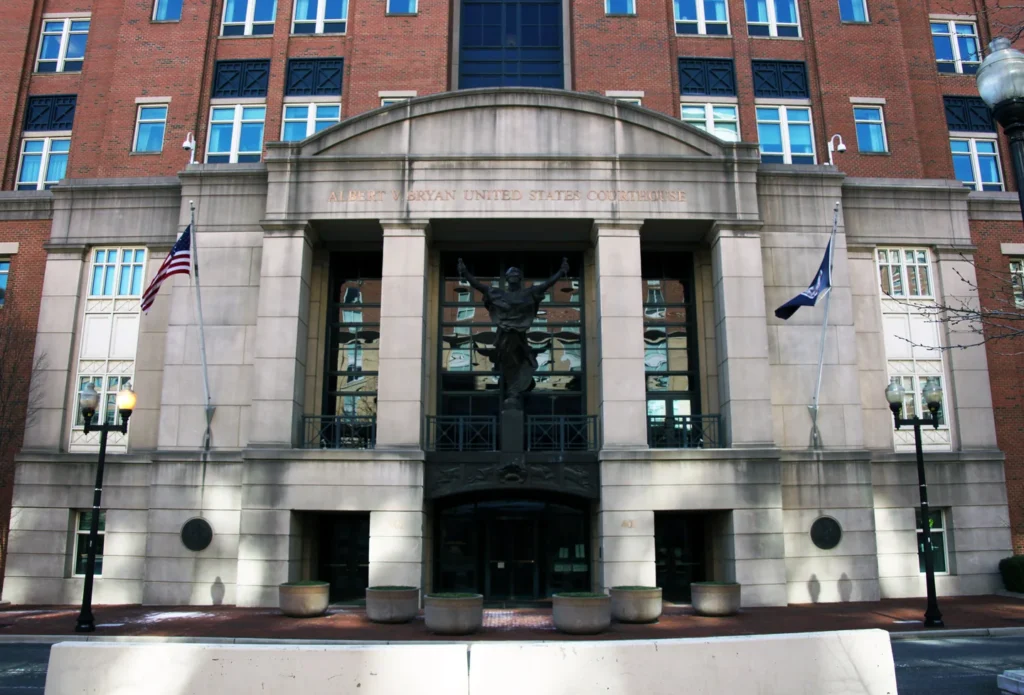
A published Fourth Circuit decision issued October 19 explains why the same evidence of past abuse can have different consequences under different forms of immigration relief. In denying Mohammad Qaiymah’s petition for review, the panel upheld the immigration agency’s findings on both the reasons for the abuse he reported and the likelihood of future harm. The judges treated those questions separately because asylum and protection under the Convention Against Torture impose different requirements.
Qaiymah sought protection from removal to Jordan. The immigration judge and Board of Immigration Appeals credited his account of serious past abuse. The agency nevertheless found that the evidence did not establish that the people he feared had targeted him because they perceived him as gay, the protected-ground theory he advanced. Qaiymah argued that a persecutor can have several motives and that likely future persecutors could learn about his past experiences and impute a sexual orientation to him.
The panel agreed that a protected ground need only be one central reason for the feared persecution and that people’s motives can change. The issue, Judge Allison Jones Rushing wrote, was whether the record compelled a different factual finding. In this case, the Board had expressly considered the possibility of future persecution based on imputed identity, and sufficient evidence supported its finding that the theory was speculative. That finding defeated the nexus needed for asylum, humanitarian asylum and withholding under the Immigration and Nationality Act.
An applicant under the Convention Against Torture need not show targeting on the basis of a protected ground. The regulations instead require a showing that torture would be more likely than not in the country of removal. The panel found that the agency had considered past harm, relocation and conditions in Jordan. It also held that continuing harm from past abuse does not by itself establish likely future torture under these regulations. The agency weighed the evidence of the petitioner’s subsequent visits to Jordan, among other facts.
The agency also considered whether internal relocation could address the risk. It assessed Qaiymah’s contention that one of the people he feared had government connections and could find him across Jordan. The reviewing judges concluded that the agency had addressed this issue and that its finding about future risk had record support. This was a review of the agency’s reasoning and evidentiary foundation, rather than an independent conclusion about every place a person might live.
The decision further distinguishes humanitarian asylum from relief under the torture regulations. Humanitarian asylum can in some circumstances be available without a finding of likely future persecution. It still depends on the qualifying nature of the underlying persecution; the agency’s finding that the record here lacked the required connection to a protected ground remained decisive.
Judges J. Harvie Wilkinson III and Pamela Harris joined Rushing without separate opinions. The precedential decision addresses the merits of the legal and factual challenges and denies review without a remand. It leaves the Board’s determination in place. The court’s analysis turns on the relief sought and the record before the agency, including the distinction between substantial-evidence review and weighing the evidence anew.