Fourth Circuit sends Honduran family’s asylum reopening request back to the board
Judges found the agency gave too little weight to the accumulated evidence linking threats to the applicant’s family relationships.
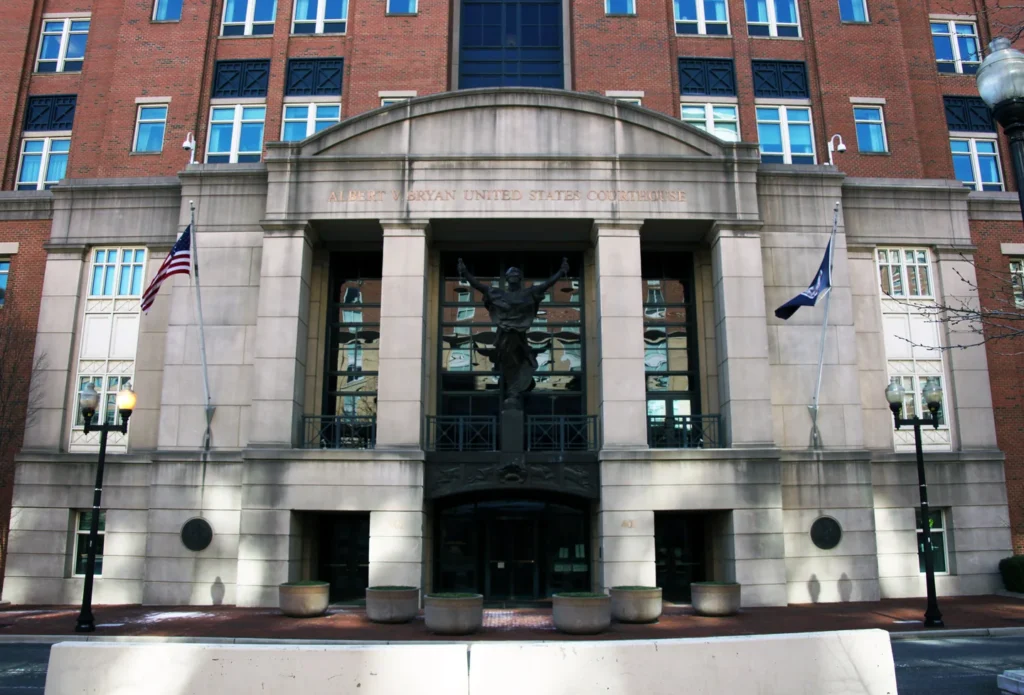
The Fourth Circuit told the Board of Immigration Appeals on October 13 to reconsider a Honduran woman’s motion to reopen asylum proceedings for herself and her daughter. The judges found that the board had not adequately weighed the full sequence of events when assessing why the family was threatened. The ruling leaves the board to consider the motion under the proper analysis, without deciding that the petitioners are entitled to asylum.
Jenyfer Fajardo-Rivas sought protection after her brother-in-law was killed and her husband was abducted. The opinion recounts the family’s belief that a local gang was responsible, a connection the government disputes. The record also included subsequent threats against her and other family members. At issue was whether the evidence sufficiently tied the claimed persecution to family membership, a protected-group theory the applicants advanced.
At the reopening stage, a petitioner must identify material evidence that was previously unavailable and make a sufficient showing of eligibility for the relief sought. That threshold is distinct from proving an asylum claim after a reopened hearing. Judge J. Harvie Wilkinson III explained that the board had to consider the new evidence in context, rather than treat unresolved questions about the identity or motives of the perpetrators in individual events as ending the inquiry. Evidence about threats aimed at relatives could help explain how the events fit together.
The court concluded that the record supported a connection between the reported threats and the family relationship. It directed the agency to account for the continuing pattern when it reconsiders the motion. The panel emphasized the strength of this record and confined its reasoning to the existing, demanding test for reopening. It left other questions about relief under the immigration laws to the agency.
The dispute came to the circuit after earlier agency and appellate proceedings. The newest board ruling relied on the absence of sufficient nexus, and the appeals court focused on that ground. It declined to decide the effect of findings in a prior board decision that had already been vacated. That matters in reading the scope of the remand: the appellate ruling requires the board to revisit its latest reasoning without settling every question raised in the prior round.
The court described the reopening standard as asking whether relief would be reasonably likely at a new hearing. Its examination of later threats was therefore directed to whether the door to a new hearing should be reopened, rather than resolving the final credibility, eligibility and discretionary issues that could arise at one.
Judges Pamela Harris and Senior Judge Henry Floyd joined Wilkinson without a concurrence or dissent. Their precedential opinion reaches the merits of the challenge to the board’s reopening decision. It grants the petition, vacates the board’s order and returns the matter for further proceedings.