Fourth Circuit revives fired South Carolina driver’s race-retaliation claim
A divided panel found that the evidence left a genuine dispute about why a metal recycler fired an employee who had complained about racial harassment.
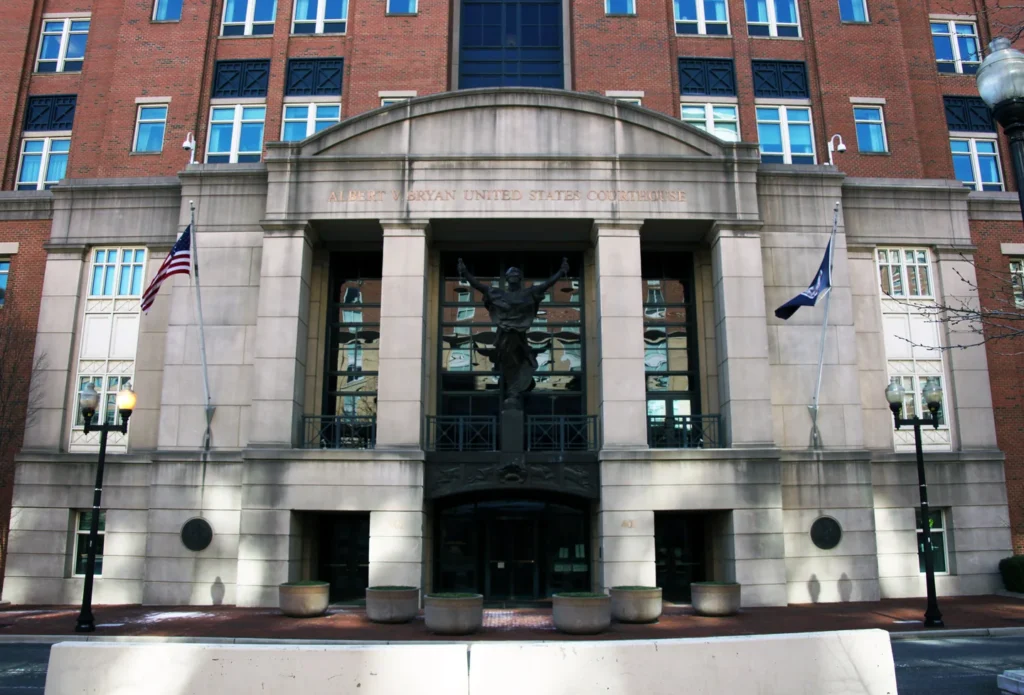
A South Carolina recycling worker can continue a federal lawsuit alleging that he was fired for reporting racial harassment. A divided Fourth Circuit panel ruled on August 13 that a court cannot resolve the record’s competing accounts at summary judgment. Its decision restores only the retaliatory discharge claim before it. It leaves the facts and the employer’s ultimate liability unresolved.
Eddie Stewart worked as a driver for GES Recycling South Carolina. He described repeated racial harassment, including slurs at the plant. He complained to management, and the company later fired him after an encounter with his supervisor. The company maintained that the firing was a response to Stewart’s conduct during that encounter. The district court granted summary judgment, concluding in part that Stewart had not shown that the company’s explanation could be a pretext for retaliation.
Judge Robert King’s majority opinion explained that, with competing evidence about motive, a court considering summary judgment must draw reasonable inferences in the nonmoving employee’s favor. The majority identified disputes about whether the conduct the company described had occurred as asserted and whether the employer’s explanation had changed from its initial account. The majority did not decide those disputes. It held that a reasonable factfinder could use the evidence to conclude that the explanation was pretextual and that retaliation was a but-for cause of the firing.
Judge James Wynn joined King. Judge A. Marvin Quattlebaum Jr. dissented, focusing on whether the decisionmakers honestly believed that Stewart was insubordinate. In his view, the accounts did not reveal a material change in the company’s explanation and Stewart’s admitted conduct provided enough support for it. The disagreement illustrates why a shift in explanation can matter, and why the precise nature of the alleged misconduct can affect whether motive is fit for a jury to decide.
The majority considered both whether the asserted conduct occurred as GES described it and whether the company’s immediate explanation for the firing matched the explanation it gave in court. It saw room for a jury to distinguish an employee using profanity from conduct that management understood as intimidating or threatening. The company’s own description of the behavior made that distinction relevant.
The appeal concerned the worker’s retaliation claim under § 1981. The briefs discussed evidence of a broader workplace culture, but the appellate ruling did not restore a standalone hostile-work-environment claim. Its legal focus was whether Stewart had produced enough evidence of a causal connection between reporting racial misconduct and losing his job to proceed past summary judgment.
The published opinion establishes circuit precedent on the summary-judgment question it decides. It vacates the judgment on Stewart’s retaliation claim under 42 U.S.C. § 1981 and returns the case to the district court. It does not reopen the other claims Stewart brought or establish that GES retaliated.