Fourth Circuit strikes provision of West Virginia’s Daniel’s Law
A unanimous panel accepted the state’s interest in protecting court and law enforcement officials but found its civil liability provision too broad.
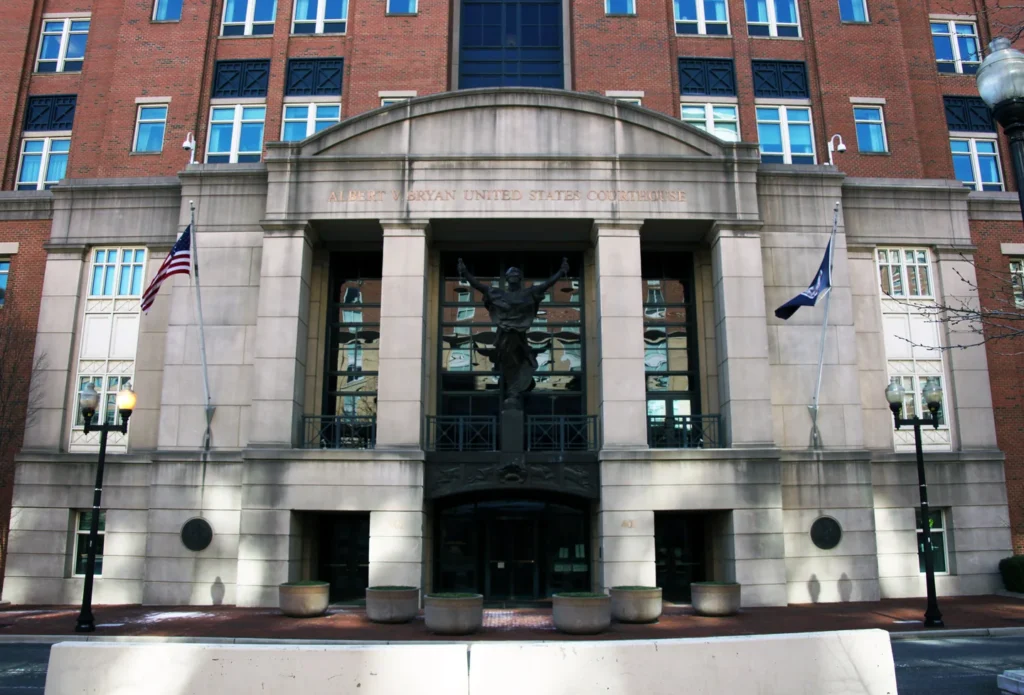
In a ruling with implications for state privacy legislation, the Fourth Circuit found a provision of West Virginia’s Daniel’s Law unconstitutional on its face. The October 27 decision affirmed the dismissal of five lawsuits brought by a retired law-enforcement officer against online people-search businesses. The panel accepted that West Virginia has a compelling interest in protecting judges and law-enforcement personnel from harm. It found that the particular civil liability provision went further than that interest required.
Michael Jackson alleged that the providers distributed his home address and unpublished telephone number through their services. Section 5A-8-24(e) of the West Virginia Code allowed covered individuals to seek damages under circumstances in which a reasonable person would believe disclosure could expose someone to harassment or harm. The district court dismissed Jackson’s lawsuits on the ground that the speech restriction was facially unconstitutional. The five appeals were decided together in a single opinion.
Judge Paul Niemeyer wrote that the restrictions were content based because liability turned on the type of information disclosed. The court therefore applied strict scrutiny, which demands that a measure serve a compelling interest with the least restrictive means. In practice, the court said, the West Virginia provision could impose liability when a publisher did not know that a person whose information appeared in a directory fell within the protected class. The prospect of immediate liability could discourage publication of much more information than the statute was intended to protect.
The panel considered narrower ways to address the same safety problem. Other laws cited by the opinion generally require a covered person to send a removal request before liability attaches. A notice mechanism was an example of a way to reduce the burden on speech, not a design that the court ordered West Virginia to enact. The judges also declined to apply lesser protection based simply on the data providers’ financial motives.
The panel treated the case as a facial challenge, an inquiry that considers a law’s operation across different uses rather than asking only whether a particular webpage deserved protection. Liability arising immediately from publication mattered because a business might be unable to identify every covered person among records for an entire community. That design could deter publishers from disseminating lawfully obtained information about people the state never sought to cover.
The opinion traced the reason for the law to the killing of the son of a federal judge in New Jersey. It treated that concern as serious and said legislatures can seek effective protection. The dispute was over the reach of the particular remedy, which imposed liability without first giving publishers the chance to address a request to remove covered information.
Judges G. Steven Agee and Pamela Harris joined the published opinion without a separate writing. The court reached the merits of the First and Fourteenth Amendment challenge, affirmed the five judgments and ordered no further proceedings. The ruling concerns the subsection used in these suits. Its practical significance is the requirement to account for inadvertent disclosures and narrower enforcement tools when crafting a restriction on the publication of personal information.