What two service dates mean in the Hobby Bunker trademark case
An Eastern District of Virginia docket entry records November service on the company and the individual defendant, with separate response dates.
The federal trademark dispute Lisboa v. The Hobby Bunker, Inc. illustrates why a single case can have different response deadlines for its defendants. A public docket mirror records service on The Hobby Bunker, Inc. on November 2 and on Matthew R. Murphy on November 3. The mirror lists November 23 and November 24 as their respective response dates. Those dates reflect what the service entry shows and can change with a court order or an applicable filing.
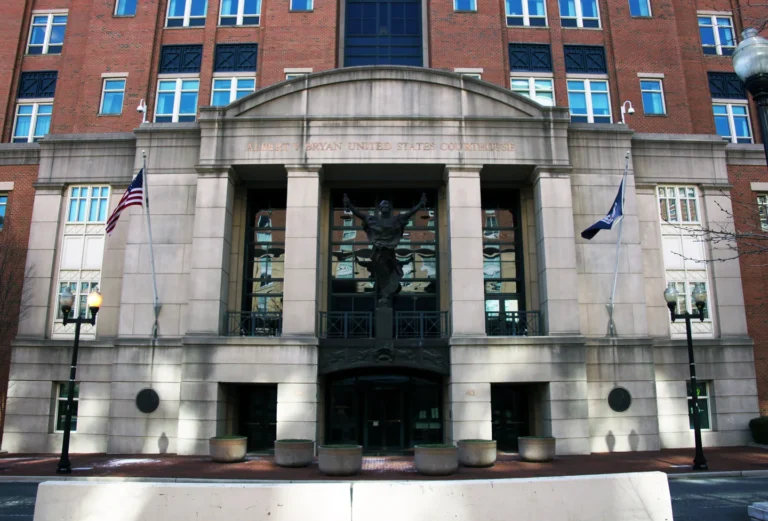
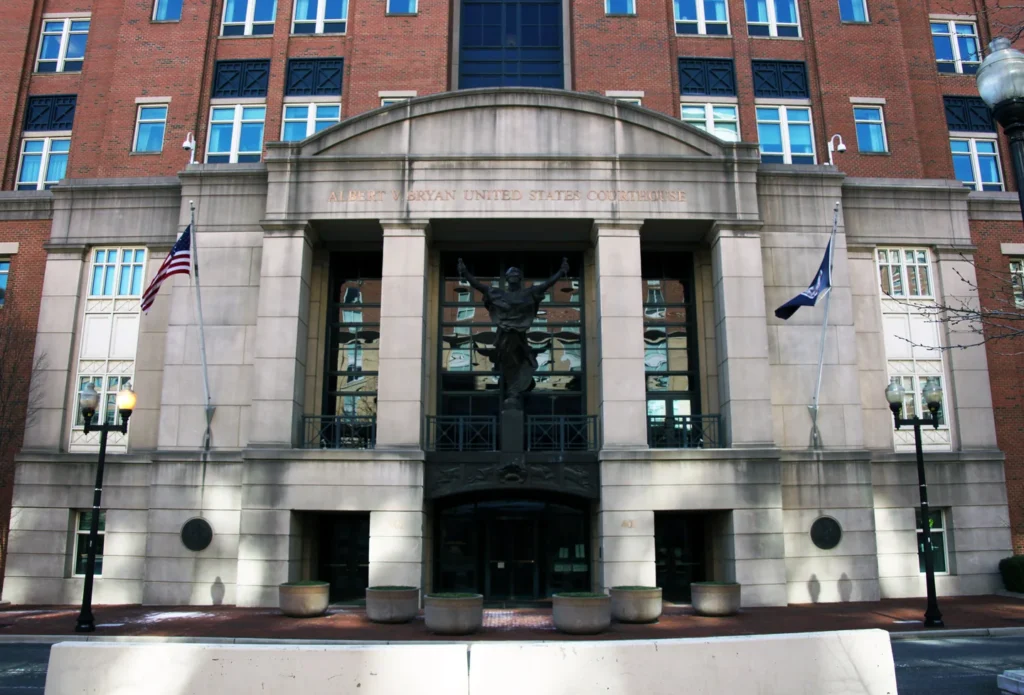
Paulo Lisboa sued the company and Murphy in the Eastern District of Virginia on August 14. The court’s public docket index identifies 15 U.S.C. § 1125, part of the Lanham Act, as the federal statute invoked. The index lists the filing of the complaint and its exhibits, followed by issuance of summonses on August 17. Issuance is the court supplying the formal summons so a defendant can be served. The later return is the record of service itself.
Civil Rule 4 governs service of the summons and complaint. Civil Rule 12 generally gives a defendant 21 days after service to answer, subject to exceptions and changes permitted by the rules or allowed by the court. Where service occurs on different days, the ordinary response periods can run separately. Filing a permitted preliminary motion can affect the timing of an answer under Rule 12(a)(4).
The case invokes a law that covers subject matter including representations that can mislead consumers about origin, sponsorship or affiliation. That label identifies the federal theory in the public index. It does not establish what the evidence will show about particular products, representations or parties. The records reviewed for this report did not include a merits ruling or a publicly verified substantive response to the allegations.
The difference between the August and November records also shows why the date of a docket snapshot matters. The older index establishes when the suit began and when summonses issued. The later public return supplies the service dates. The official federal docket is the reference for confirming whether a deadline has moved or a response has since been filed.