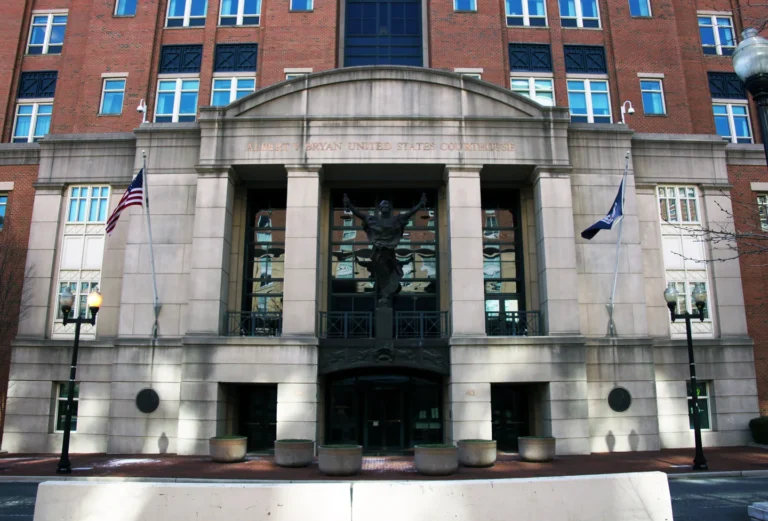
Alexandria court moves Knapp transfer and dismissal motions to written review
The judge set two motions for decision on the papers while allowing Paulo Lisboa to supplement his complaint in a separate procedural order.
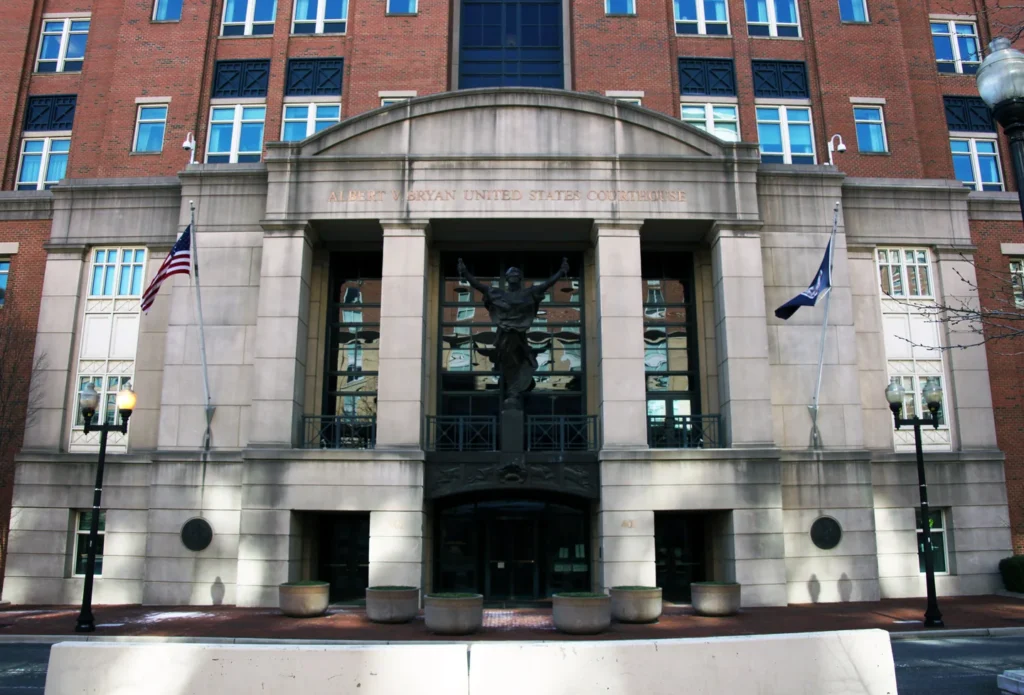
Two defense motions in Lisboa v. Knapp moved to written consideration after an Alexandria federal judge took a September hearing off the calendar. Paul Knapp seeks to move the case to the Norfolk Division and separately asks the court to dismiss the complaint under Federal Rule of Civil Procedure 12(b)(6). The public docket records briefing through October 2. It does not show that District Judge Rossie D. Alston Jr. ruled on either request within that window.
Paulo Lisboa filed the case on August 14. The docket identifies it as a trademark dispute invoking federal-question jurisdiction and indexes the complaint as entry 1. Knapp appeared through counsel and filed his motions in September. Lisboa filed separate oppositions on September 24, and Knapp replied on September 28. The district court’s September 22 notation said the motions originally set for September 30 would be considered on the written papers.
The motions pose different questions. Knapp’s divisional transfer request concerns where the case should proceed inside the Eastern District of Virginia. The Rule 12(b)(6) motion challenges whether the pleading states claims that federal law allows the court to remedy. A ruling on the location of proceedings need not decide the adequacy of a complaint. At this stage, assertions in the complaint and arguments in the briefs remain the parties’ positions.
A separate September 18 order by Magistrate Judge William E. Fitzpatrick granted Lisboa permission to file a supplemental complaint under Rule 15(d) and set a 14-day response period for the added allegations. That rule is a way to bring later events into an existing case. The order authorized the new material to be pleaded. Knapp’s response to the supplemental complaint appears as an entry on September 22.
The October 2 entries concern a separate request for permission to file a short additional response, called a surreply. The docket indexes an opposition from Knapp and a reply from Lisboa on that issue. Those entries mark exchanges between the parties. A later ruling on transfer, dismissal or the request for additional briefing would need to be confirmed against the current court record.