A clock set in Hawaii ended a Falls Church contractor’s federal bid protest
The watchdog treated the agency’s receipt of proposals as initial adverse action, even though the company protested at the same clock time.
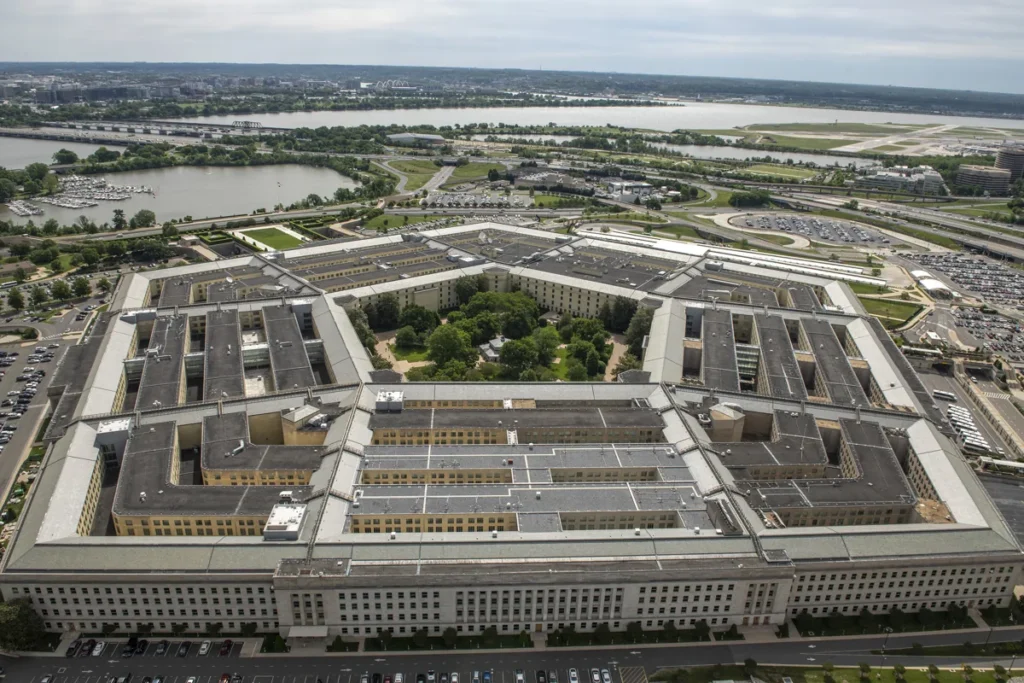
A federal procurement for two video walls at a Defense Information Systems Agency facility in Hawaii drew a protest from Mission Analytics of Falls Church, Virginia. The firm challenged the agency’s treatment of domestic-sourcing rules and a small-business manufacturing rule. The Government Accountability Office dismissed the protest without reaching those issues because the follow-on challenge missed its deadline.
The agency sought bids to supply and install equipment at its facility on Ford Island. The solicitation stated that it covered the video walls under a class waiver related to televisions and did not require a specified Buy American and Balance of Payments certification. Mission Analytics disputed those terms through an agency-level protest submitted at 10 a.m. Hawaii time on May 29, the precise time proposals were due.
The agency later dismissed the protest and provided a debriefing after selecting Modtech Solutions. Mission Analytics filed at GAO on July 6. GAO’s September 30 decision identified an earlier trigger for the 10-day period for filing a subsequent protest. It treated the agency’s decision to receive proposals without suspending the procurement as initial adverse action on the complaint. The calendar therefore ran from the closing date, rather than the later written agency decision or debriefing.
GAO treated the agency-level protest as preceding the actual close despite the identical clock time, and it calculated June 8 as the deadline for the follow-on protest. It also dismissed the award challenge because those grounds simply restated the objections to the terms. The decision did not determine whether either disputed procurement requirement should have applied.
The case turns on the difference between the first conduct showing a solicitation will go forward and the later arrival of a formal decision. In this procurement, that gap was enough to take the underlying arguments off the table.