One mining-payment claim survives bid to expand dispute with Purina
The court allowed one claim about annual reconciliation for mining work and rejected proposed claims premised on later discussions and correspondence.
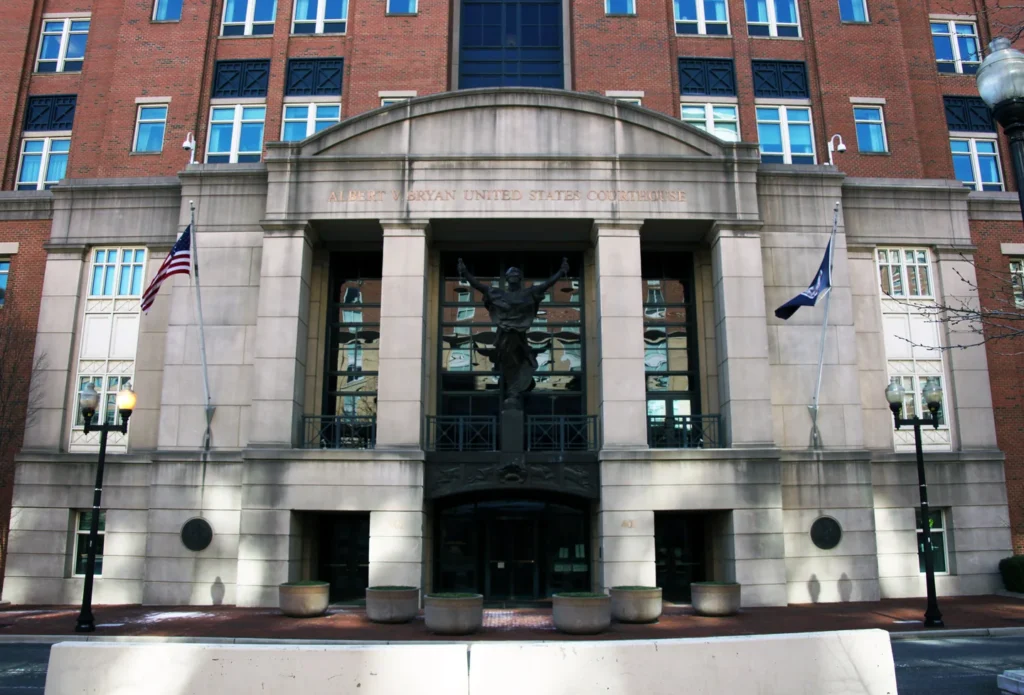
A Richmond federal court allowed U.S. Mining to pursue one revised contract claim in its dispute with Nestle Purina Petcare over payments for Virginia mining work. Chief U.S. District Judge M. Hannah Lauck’s Sept. 30 opinion rejected 24 other proposed counts, finding that the amended allegations would not support them.
The dispute involves clay used to manufacture cat litter and the material removed to reach that clay. The mining contractor alleged it was underpaid because the amounts credited for moving that material were too low. The underlying arrangement included interim payments and an annual reconciliation. U.S. Mining later commissioned an independent assessment and sought records and payment from Purina. Those allegations supplied the commercial background, but the motion concerned whether proposed claims were legally sufficient.
The first set of proposed claims relied on alleged oral agreements reached in 2021 and 2022. Lauck found the alleged exchanges did not adequately plead mutual assent and sufficiently definite obligations. She also rejected counts depending on a later written communication. In a contract dispute, evidence that parties negotiated, discussed data or talked about resolving a disagreement does not necessarily identify the precise agreement a court can enforce.
A proposed count tied to the 2010 contract stood on different footing. The court considered whether the Virginia five-year limitation period barred that claim and held that the answer was not clear from the proposed pleading. Under the contractor’s theory, the relevant breach accrued at an annual reconciliation in early 2020. On those allegations, a November 2024 lawsuit was potentially timely. Lauck allowed the amendment on that count while expressly leaving its ultimate merits unresolved.
The practical question now is what the written contract required and what the evidence can show about the particular reconciliation. The September ruling narrowed the case to a theory anchored in an earlier document and an alleged date of breach. It did not establish the amount of material moved, the accuracy of competing measurements or a payment owed.