Virginia judge rejects a breakup of Google’s ad exchange and outlines new auction rules
Judge Leonie Brinkema rejected a forced sale of AdX after finding Google liable for monopolizing two open-web advertising markets. Her ruling focuses on how Google’s systems work with rival tools and what auction data publishers can see.
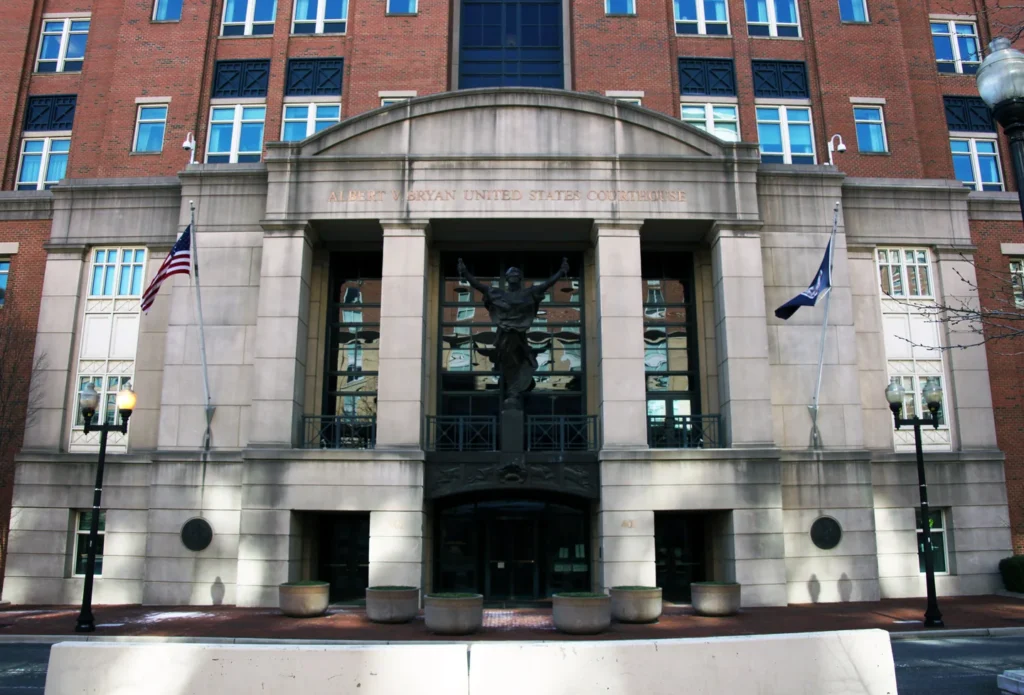
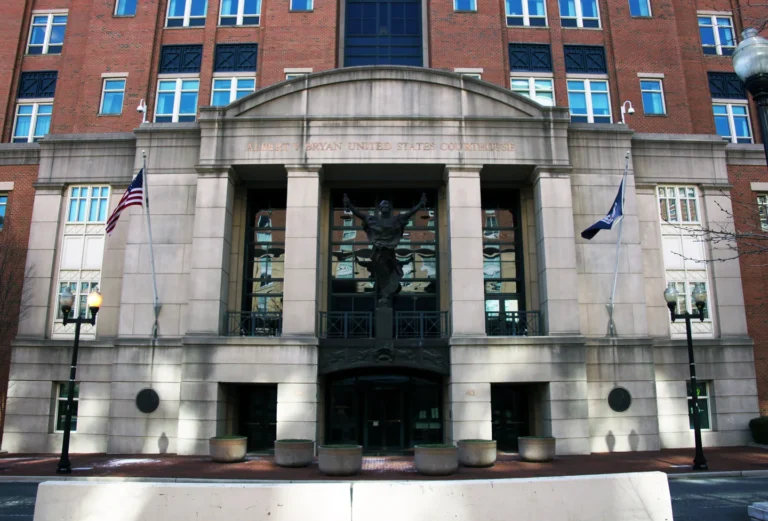
Google can keep its advertising exchange under a Sept. 2 remedies ruling in federal court in Alexandria. U.S. District Judge Leonie M. Brinkema rejected a forced sale of the exchange, known as AdX, and approved a series of changes to the way Google connects its advertising tools to competing systems. The ruling follows a separate April 2025 decision finding Google liable for monopolizing two markets and unlawfully tying two products together under the Sherman Act.
The two products do different jobs. A publisher ad server helps a website make space available for ads and decide which advertisement runs. An ad exchange brings together offers to purchase those placements. Google operates both a publisher ad server known as DFP and an exchange known as AdX. Brinkema’s liability opinion found that the company used contractual rules and technical integration to tie the products together and protect its position in both markets. The earlier court found no Sherman Act violation in the separate advertiser ad network market alleged in the same lawsuit.
The Justice Department and the state plaintiffs proposed three structural remedies. They asked for the sale of AdX, public release of the code that runs the final DFP auction, and possible divestiture of the remainder of DFP. After a separate remedies trial, Brinkema concluded that the proposed sale faced serious practical and timing problems and that changes in conduct could reach the competitive problems identified at trial. The court also rejected an escrow proposal, finding that the specified amount and distribution mechanism were insufficiently tied to the findings of liability.
The opinion calls for an exchange that works with rival publisher ad servers and integration with Prebid, an open-source system used in online ad auctions. Data-sharing measures are intended to give publishers more visibility into the tools they use. Other provisions address discriminatory conduct and the routes through which Google's advertiser buying tool can submit bids. The opinion also approves a monitor and a technical committee, oversight that matters because many of the changes require software integrations whose performance cannot be evaluated simply by reading a contract.
Brinkema selected a six-year term and concluded that a worldwide remedy was appropriate because the relevant advertising markets operate globally. She directed the parties to submit one proposed judgment identifying points they still disputed. Their Oct. 2 filing shows one practical disagreement: the plaintiffs proposed giving Google six months after the decree takes effect to connect AdX to eligible Prebid systems and rival publisher ad servers, while Google proposed 12 months. The filing contains both positions for the court to consider. In its quarterly securities filing, Google’s parent Alphabet said it planned to appeal the adverse liability ruling once final judgment was entered and could appeal aspects of the remedies decision as well.
As of Nov. 5, the Virginia court had yet to enter final judgment, according to an order filed that day by U.S. District Judge P. Kevin Castel in related private antitrust litigation in New York. Castel declined to put those proceedings on hold while Google pursued its anticipated Virginia appeal. The New York order addresses the schedule for the private litigation, and the status it records is distinct from a final decree in the Virginia government case.
For a publisher, a technical connection can be as important as the ability to sign separate contracts. A site choosing between ad servers has fewer meaningful options if changing suppliers means giving up access to a substantial source of bids or losing the data needed to compare auction performance. The court’s approach leaves ownership in place and makes the practical test whether the new connections and access rules give publishers viable alternatives. This is the Virginia open-web display case. A separate federal case in Washington concerns Google’s search distribution and has its own findings and remedies.
Source Documents
- Filed remedies memorandum opinion, ECF No. 1858 (PDF)
- Filed companion order, ECF No. 1857 (PDF)
- Justice Department case file and 2025 liability opinion
- Oct. 2 joint proposed final judgment, ECF No. 1861-1 (PDF)
- Alphabet 2026 third-quarter SEC filing
- Nov. 5 order in related private litigation, ECF No. 460 (PDF)