Virginia Supreme Court sends Fairfax church property dispute back for evidence
The justices found unresolved evidence about denominational membership and left open whether the property dispute can be resolved through ordinary civil-law principles.
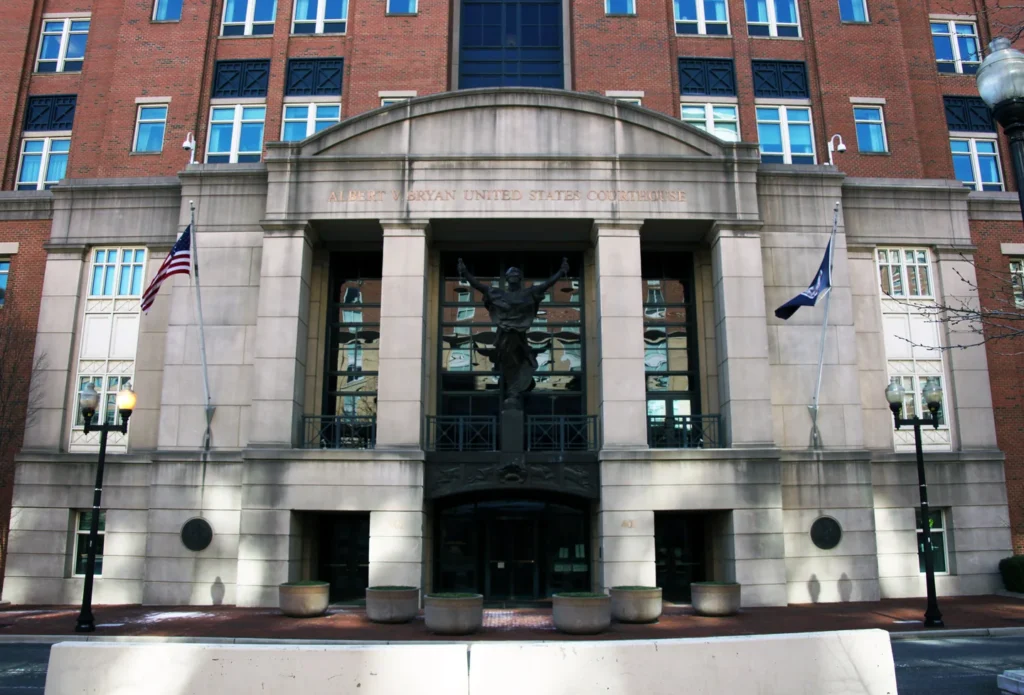
The Supreme Court of Virginia sent a church property dispute back to Fairfax County after deciding that neither the trial court nor the intermediate appeals court could resolve the case on the summary-judgment record. Justice Wesley G. Russell Jr.’s June 4 opinion concerns a property occupied by Shalom Presbyterian Church of Washington and used by the congregation in Fairfax Station.
The local congregation holds legal title. The Atlantic Korean American Presbytery argued that a provision in the denomination’s Book of Order meant the property was held in trust. Shalom disputed that it was a member of the national denomination in a way that made the provision applicable. The record included documents that the parties understood differently, including an organizational report and later materials about affiliation and governance.
The circuit court had ruled in favor of the local church at summary judgment. The Court of Appeals reversed and directed dismissal because it viewed the matter as ecclesiastical. The state Supreme Court agreed that the record did not justify summary judgment for the congregation, but concluded that unresolved facts also prevented the intermediate court from declaring that the circuit court necessarily lacked jurisdiction.
Civil courts can use secular legal principles in church-property disputes where those principles allow a resolution without deciding matters of doctrine, religious discipline or church governance reserved to religious authorities. The state Supreme Court instructed the lower courts to proceed on that basis with further development of the facts. Its ruling determines neither who ultimately controls the property nor which side is right about denominational membership.