Why a federal judge can dismiss a complaint before hearing testimony
A filing needs factual allegations that plausibly support the legal claim. A pleading decision ordinarily does not decide which witnesses are right.
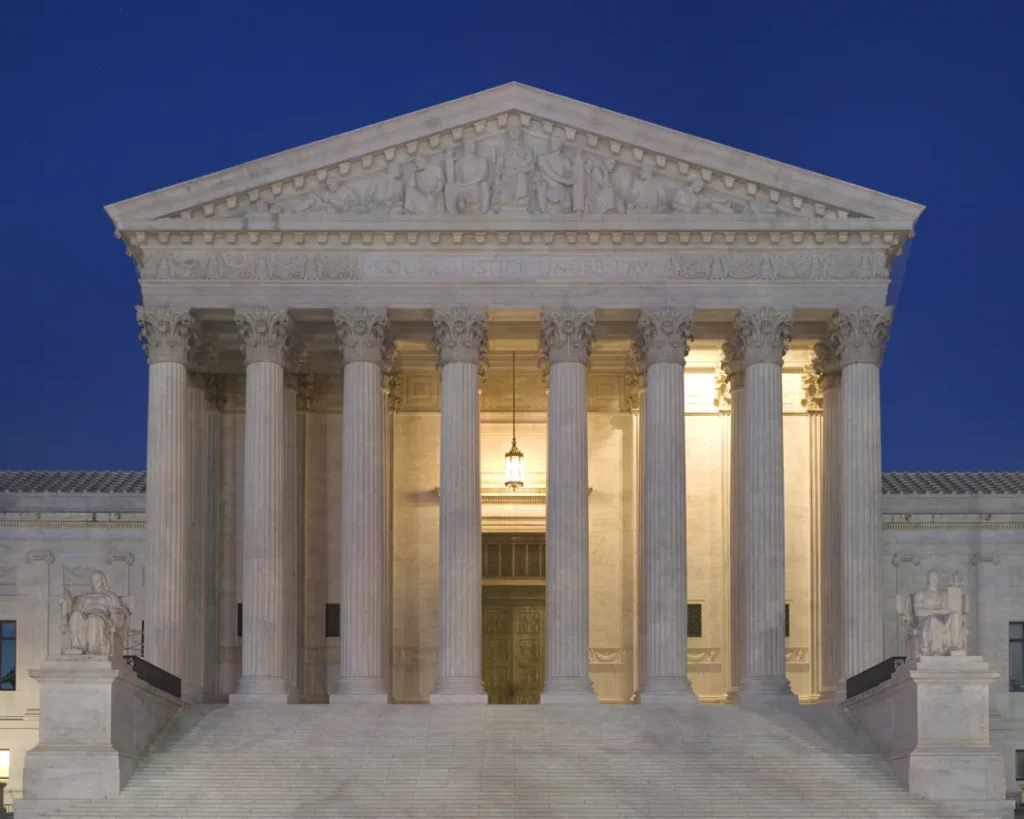
Federal civil cases can end before depositions or testimony. In Ashcroft v. Iqbal, a challenge filed by a man detained after the September 11 attacks led the Supreme Court to explain what a complaint has to allege before it may proceed. The case remains a guide to reading an order dismissing a claim under Rule 12(b)(6).
Javaid Iqbal alleged that senior federal officials adopted discriminatory policies connected with his confinement. The Supreme Court reviewed the allegations against two of those officials, former Attorney General John Ashcroft and FBI Director Robert Mueller, who asserted qualified immunity. Justice Anthony Kennedy’s majority opinion held that the complaint did not plausibly allege the necessary unlawful conduct by those defendants.
The pleading inquiry has distinct steps. Courts identify conclusions that merely state an element or label a defendant’s conduct. They then consider well-pleaded factual allegations as true for purposes of the motion and ask whether those facts plausibly support an entitlement to relief. That inquiry is informed by the elements of the claim and the context in which a reasonable inference can be drawn from what is alleged.
The Court applied reasoning it had set out in Bell Atlantic v. Twombly, an antitrust case. In Iqbal, it explained that the pleading standard was an interpretation of the Federal Rules and applied more broadly than antitrust litigation. The complaint did not need to prove the allegations or establish that wrongdoing was probable. It did need factual content doing more than repeating a claim’s legal elements.
A later summary-judgment ruling asks a different question about evidence in the record, and a verdict can determine which version of disputed events to accept. A Rule 12(b)(6) dismissal generally addresses what the complaint had alleged and whether that was enough in law. The consequences vary with the order. Some dismissals permit amendment, while others end the claim; the order itself is the place to check.