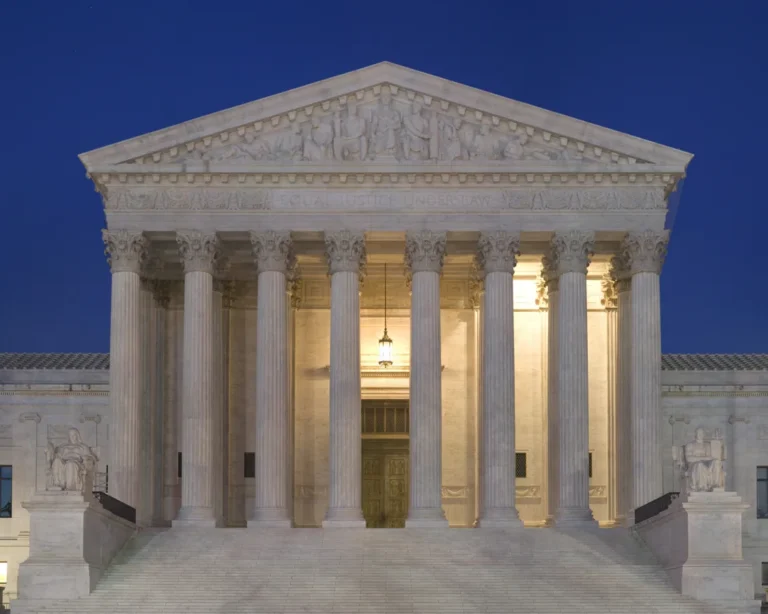
What the Watergate tapes case actually required of a sitting president
The Supreme Court recognized an interest in confidential presidential communications while requiring specified records for a pending criminal prosecution.
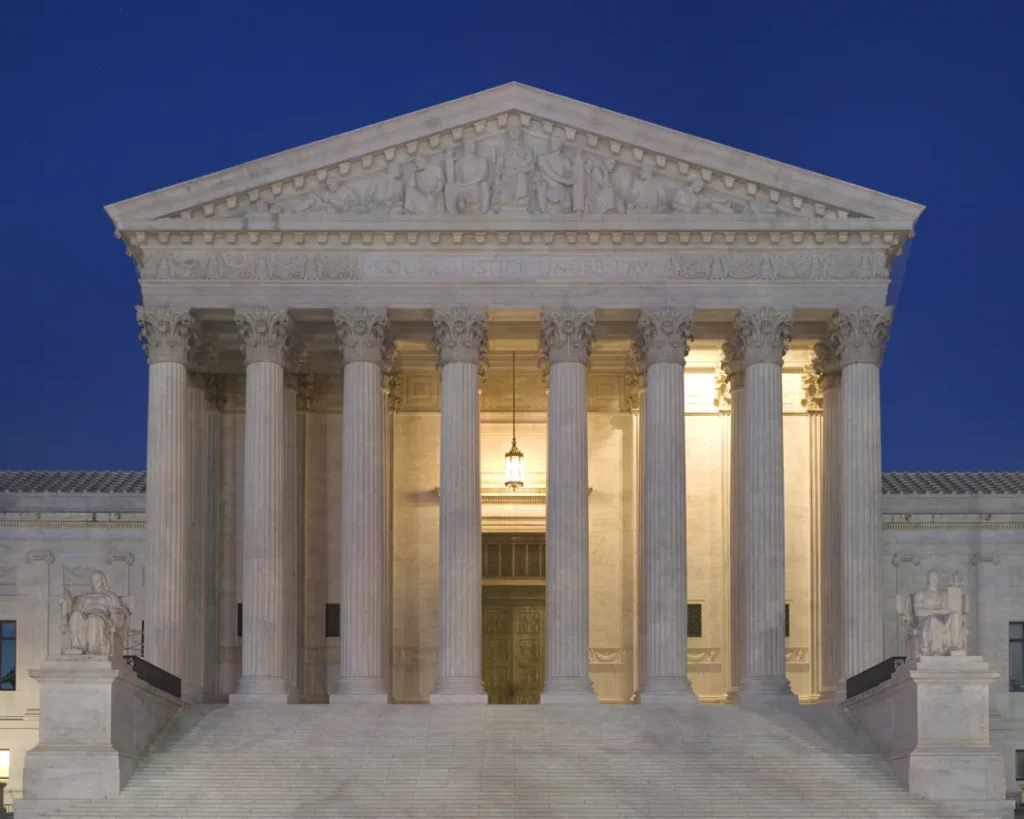
When a Watergate special prosecutor sought recordings and related materials for a criminal trial, President Richard Nixon challenged a subpoena and asserted executive privilege. The Supreme Court unanimously among participating justices upheld the order requiring the documents to be produced to the district court. It did not treat confidential presidential communications as beyond protection. It held that the generalized confidentiality interest invoked in that case had to yield to a demonstrated and specific evidentiary need.
The subpoena was issued under Federal Rule of Criminal Procedure 17(c). It sought materials tied to identified meetings and conversations rather than unlimited access to a president’s communications. The Supreme Court considered the specificity, relevance and potential admissibility of the materials and agreed that the district court could require their production for examination.
Chief Justice Warren Burger’s opinion recognized a presumptive privilege grounded in the public interest in candid presidential advice. The majority made a distinction between a generalized claim of confidentiality and a claim involving military, diplomatic or sensitive national-security secrets. No comparably specific protection was asserted in the matter before it, and the opinion did not resolve how a future case involving such secrets would come out.
The need for evidence in a pending criminal proceeding carried particular weight. The Court treated the fair adjudication of criminal charges as a public interest as well as an interest of the people involved in the prosecution. Disclosing the materials to the judge for private examination, rather than declaring every presidential communication automatically public, allowed potentially irrelevant or protected material to be handled with care.
The case is regularly mentioned in later arguments about executive privilege, but its strongest application concerns the proceeding it actually addressed. A criminal subpoena for identified evidence and a generalized claim of confidentiality produced a different legal problem from legislative requests, civil discovery or a suit seeking public access under an information law. The procedure and the showing of need were central to the July 24, 1974, decision.