Baltimore federal court sends Glamnetic discount-email lawsuit back to state court
The court found that the named plaintiff’s allegations about misleading sales emails did not establish the concrete injury needed in federal court.
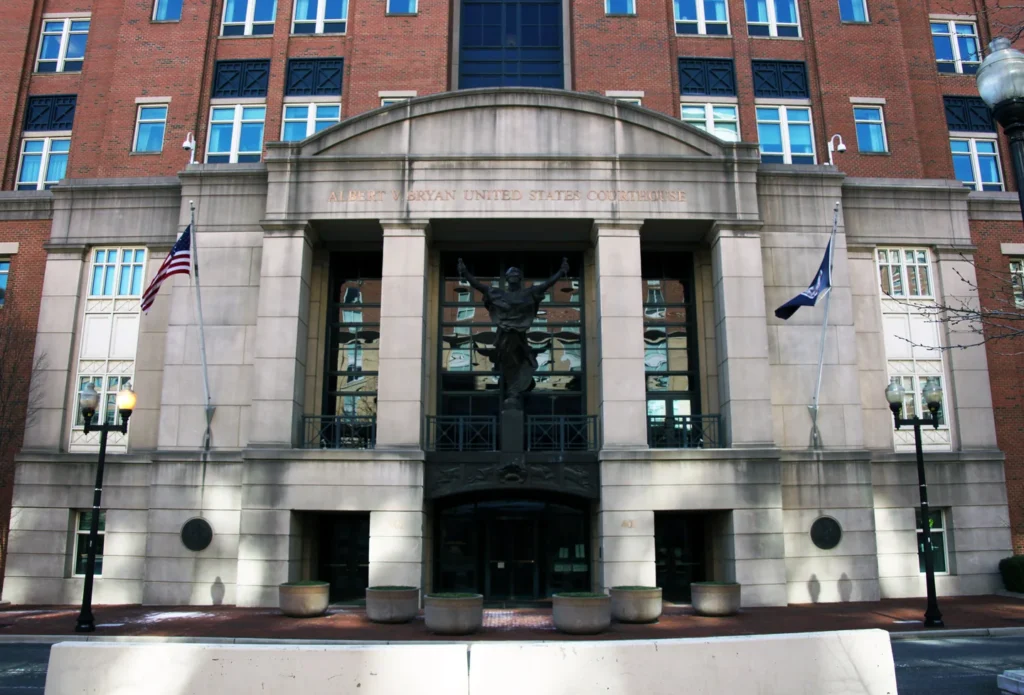
A Baltimore federal judge returned a proposed class case over promotional emails for beauty products to Maryland state court. Judge Ellen Lipton Hollander’s Nov. 13 opinion in Cowan v. Glamnetic focuses on whether the named plaintiff had the concrete injury required to have the lawsuit heard under Article III of the U.S. Constitution.
Eleanor Colmers Cowan alleges Glamnetic emailed customers about sales that appeared about to end and then sent follow-up messages announcing extensions. She contends the extensions were part of a planned campaign and that the urgency in the subject lines was misleading under Maryland’s Commercial Electronic Mail Act. Glamnetic removed the case to federal court, and Cowan argued the allegations did not establish federal standing.
Hollander examined whether the alleged injury resembled harm historically recognized in cases such as fraud or nuisance. The named plaintiff did not claim a purchase in response to a disputed message or allege a type of substantial interference caused by the emails. The opinion noted that her claims alleged a violation of state law but did not plead additional harm sufficient to meet the federal requirement in this case.
The court separately found that Glamnetic’s evidence did not establish the amount in controversy required for federal class-action jurisdiction. The judge addressed the company’s estimates of recipients and potential fees but found the proffer inadequate. The constitutional standing issue required remand even if the company had satisfied that separate amount requirement.
The case returns to the Circuit Court for Baltimore City. The federal judge did not decide whether the email subject lines were actually false or whether a class should be certified. The ruling is a reminder that the question of which court may hear a consumer claim differs from the question of whether the conduct violated the statute.