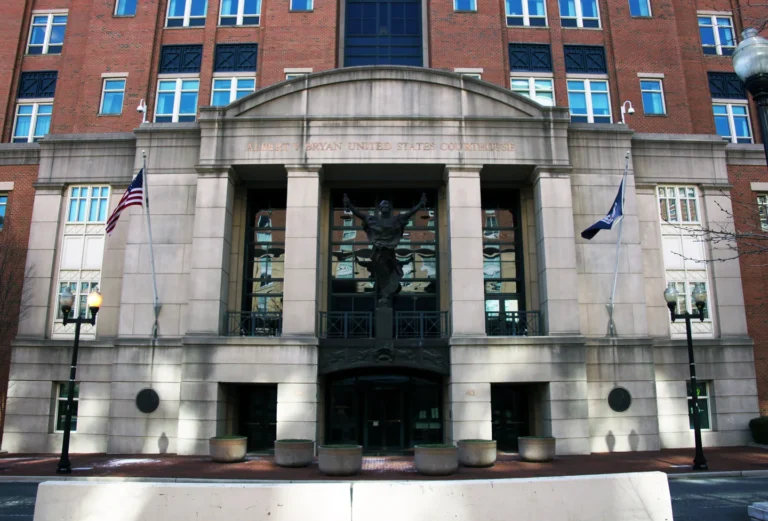
Federal judge lets parts of Northern Virginia dealership wage suit proceed
The Alexandria ruling lets some claims over alleged unpaid wages and overtime proceed. A prior arbitration dispute preserved certain claims while others ran out of time.
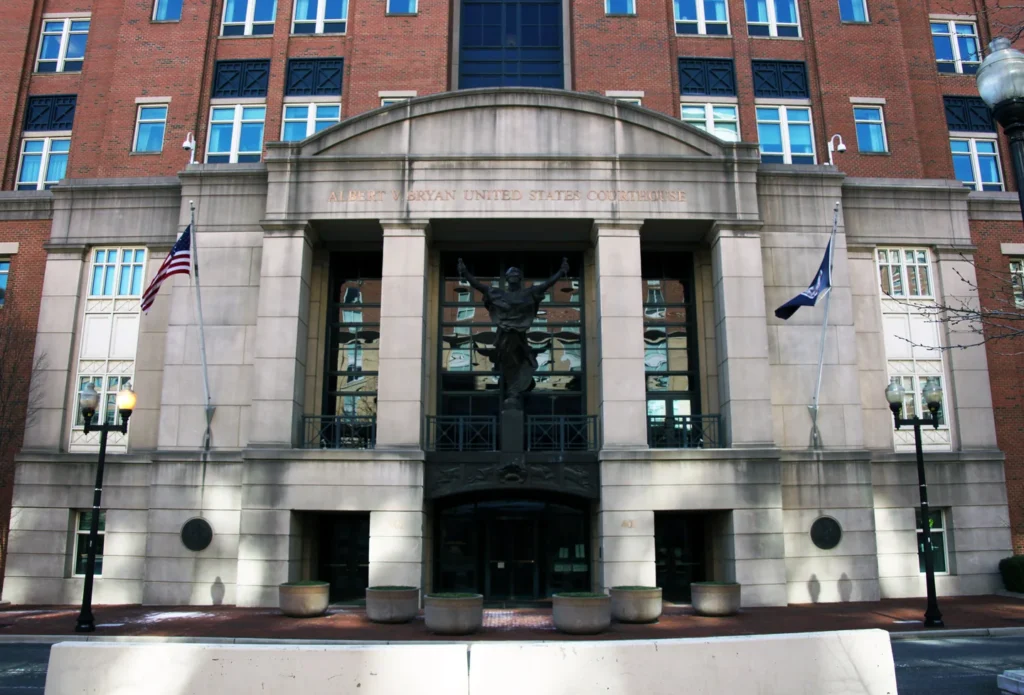
Six former employees of the Rosenthal Automotive dealership network were dismissed from a federal wage case on Nov. 10, but other workers can proceed on parts of their lawsuit. U.S. District Judge Michael S. Nachmanoff considered claims involving alleged compensation cuts, overtime, training pay and longevity compensation. His decision resolved a motion to dismiss, so it addressed what the employees had adequately alleged and what they filed in time.
The former employees sought individual arbitration in 2024. Geneva Enterprises and AV Automotive later brought a separate lawsuit seeking to stop the arbitrations. Nachmanoff treated the period from the arbitration demands through the appellate mandate in that dispute as a pause for claims the workers had actually asserted in arbitration. For the claims that had not been asserted there, the court found the complaint did not adequately explain why they could not have been brought in time.
That distinction produced several dates. The cutoff was March 23, 2021, for the specified Virginia wage-payment and common-law claims and one employee’s federal wage claim. For the contract claims it was June 8, 2021, and for other federal wage claims and the Virginia overtime claims it was June 8, 2023. At this stage the court applied the three-year federal period for alleged willful violations because the workers plausibly alleged a prior Labor Department investigation put the employers on notice.
The judge also examined which companies plausibly acted as employers. Allegations about how two management companies controlled operations and appeared on payroll records supported their continued involvement. The allegations about certain holding companies went no further than ownership or control of associated entities, and those defendants were dismissed. The ruling further differentiated claims that may reach an individual with operational control from those under the state wage-payment statute that apply to entities.
Several contract claims were dismissed without prejudice for insufficient allegations, while some older claims were dismissed with prejudice. Wage practices can recur across pay periods and across related companies. In this case, that makes the claim, the date and the entity identified as the employer independently important. The remaining plaintiffs still need to prove their allegations on the surviving claims.