Experian identity-theft claims can proceed as court keeps class question open
The Norfolk ruling permits credit-reporting and data-security claims to move into discovery. The court left any decision about certifying a class for a fuller record.
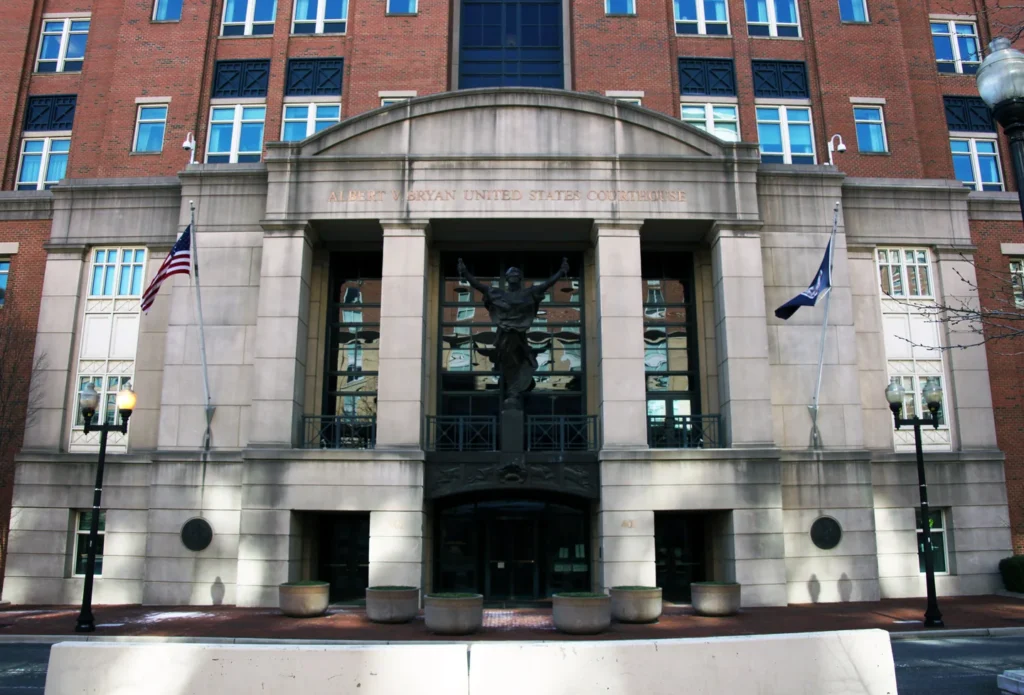
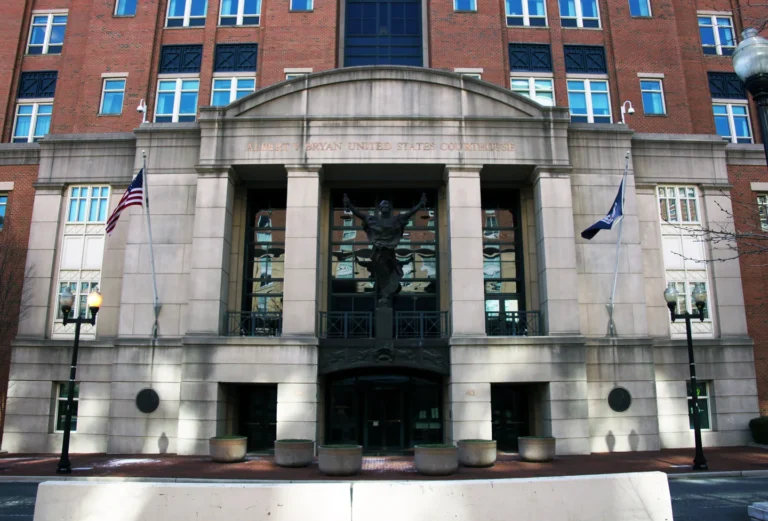
A Norfolk federal court let an identity-theft lawsuit involving Experian’s CreditWorks service proceed on Nov. 3. U.S. Magistrate Judge Lawrence R. Leonard declined to dismiss the disputed claims on the pleadings or to rule out class treatment before discovery. The case concerns an alleged unauthorized enrollment in the credit-monitoring service and access to information associated with it.
The plaintiff alleges that an unknown person opened a CreditWorks account in his name. He argues that the Experian entities lacked a permissible purpose to furnish consumer information under the Fair Credit Reporting Act and failed to maintain reasonable procedures for limiting access. The companies contended the pleadings did not establish actionable furnishing of a report, that the service terms supplied authorization, and that the federal law displaced a separate negligence claim.
The opinion focuses on the specific factual allegations about the enrollment process. It treated alleged mismatches between information submitted and identifiers already available to the defendants, as well as allegations about other complaints and enrollment vulnerabilities, as relevant to whether the companies had reason to believe that a requester had a permissible purpose. Those issues could not be resolved on the pleadings. The judge also concluded that a claim aimed at securing consumers’ personal information did not fall within the cited preemption provision merely because credit information allegedly was exposed.
CreditWorks account agreements also matter to the proposed class. The defendants argued that identifying class members would require case-by-case decisions about arbitration agreements. Leonard found the complaint made the preliminary showing needed to avoid early rejection. Discovery could shed light on how the defendants recorded enrollments and verified identities, and whether those records can help identify a class without individual inquiries taking over the case.
The judge directed the parties to arrange a scheduling conference by Dec. 2. That step concerns development of the record. The ruling does not certify a class, award damages or establish that the alleged account takeover occurred. Those distinctions matter in a case that turns in part on what technical records the parties can produce.