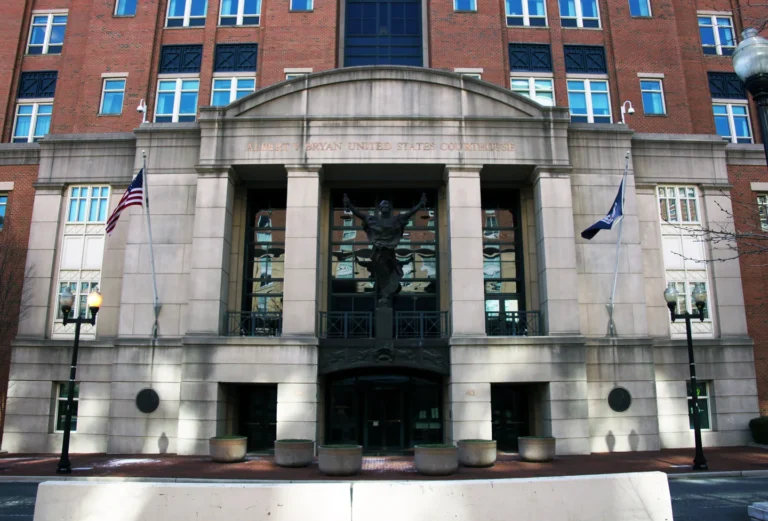
Samsung must face stove-fire claims as Norfolk court dismisses Best Buy
The court found the allegations about accidental activation of front-mounted range knobs sufficient to proceed against Samsung. It found the complaint lacked comparable allegations about what Best Buy knew.
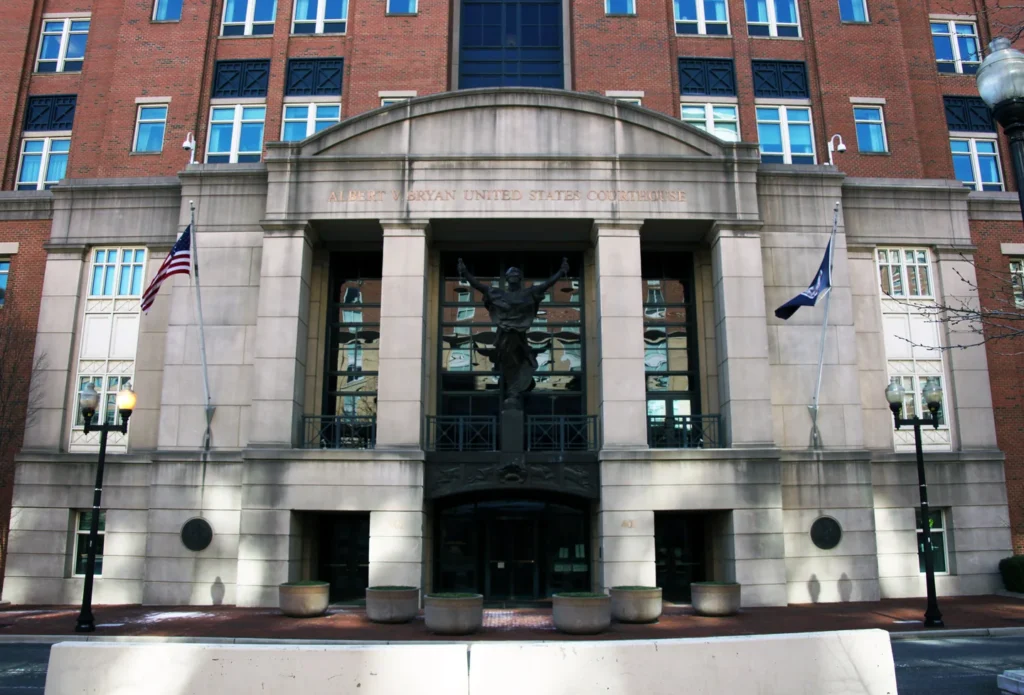
Two claims arising from a Virginia Beach kitchen fire can proceed against Samsung, a federal judge ruled Oct. 27. U.S. District Judge Jamar K. Walker allowed negligence and implied-warranty theories involving an electric range but dismissed the claims against the Best Buy entities that sold it. The decision concerns the plausibility of the complaint before the development of a trial record.
The plaintiffs allege that the range had not been used before the fire and that people walking through the kitchen did not intentionally turn it on. The opinion describes a fire investigation that identified a control in the on position and combustible material on the stove. The plaintiffs allege the placement and shape of the front-mounted knobs made accidental contact foreseeable. In 2024 the federal Consumer Product Safety Commission announced a Samsung recall covering the model, citing reports of unintentional activation.
Walker concluded that the allegations about the controls, the circumstances of the fire and other reports supported a plausible connection. The judge declined to require the plaintiffs to eliminate every alternative explanation at the pleading stage. The court also dismissed a separately labeled products-liability count that restated legal theories already addressed by the negligence and warranty claims.
The Best Buy claims faced a different problem. The opinion examined Virginia law governing a retailer that did not design the appliance. It found the complaint lacked concrete allegations that Best Buy knew or reasonably should have known of the alleged defect at the relevant time. Samsung had also left the alternative failure-to-warn theory against it unaddressed in the motion, allowing that theory to remain in the case.
The court’s treatment of the two defendants illustrates how the same fire can present different legal questions depending on a party’s role in making and selling the product. The surviving claims still require evidence, including evidence about the condition of the product and what caused the fire. The recall is a separate safety action and does not determine liability for this incident.