Federal judge ordered targeted repairs at five D.C. apartment properties
An amended opinion explains why the court required repairs at specific properties without imposing a broader ban on leasing and transactions.
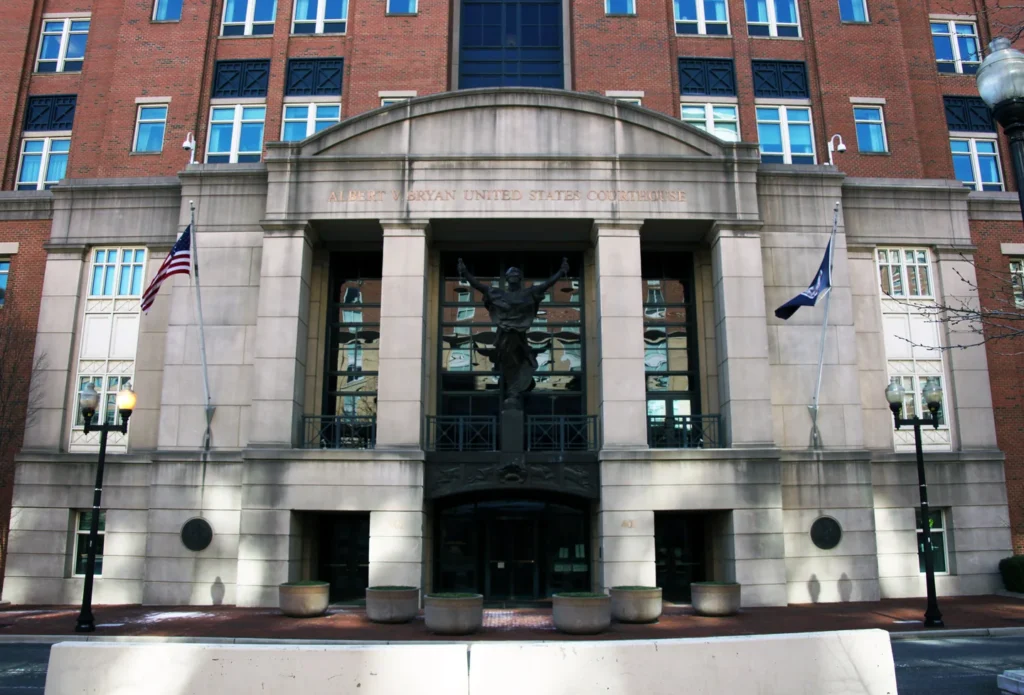
A federal judge’s amended opinion in August explains why two defendants in a Washington, D.C., housing case were ordered to fix dangerous conditions at five rental properties while the suit proceeded. Judge Christopher Cooper’s ruling granted part of the District’s request for emergency relief. It focused on housing-code problems affecting current tenants and left the District’s broader allegations for later proceedings.
The District brought a civil case alleging violations of federal racketeering law and local consumer-protection and false-claims laws. Its motion for a preliminary injunction asked for narrower relief than the complaint. It presented housing code citations and other evidence concerning five properties controlled by Ali and Houri Razjooyan. The District said tenants faced conditions including recurring flooding, pests and interruption of essential services.
The July order directed the defendants to abate violations at the properties assigned to them and to submit evidence of the repairs and the workers’ qualifications. In the August 10 amended opinion, the judge explained why immediate repair was tailored to the threatened harm. He did not grant the District’s additional request to restrict new leases and certain real-estate transactions while the case was pending.
That distinction concerns the remedy, not solely the strength of the District’s allegations. The court considered what steps were required to prevent harm in occupied properties. It concluded that the requested limits on future business activity were not justified on the record at that stage, while leaving open the possibility of revisiting the scope of relief if circumstances changed.
The order arose before a trial on the District’s claims. The court did not enter a racketeering judgment or decide the defendants’ ultimate liability for damages. The ruling shows how a court can require concrete repairs to address an immediate danger without deciding every disputed aspect of a larger housing case.